
Newer than most of the map
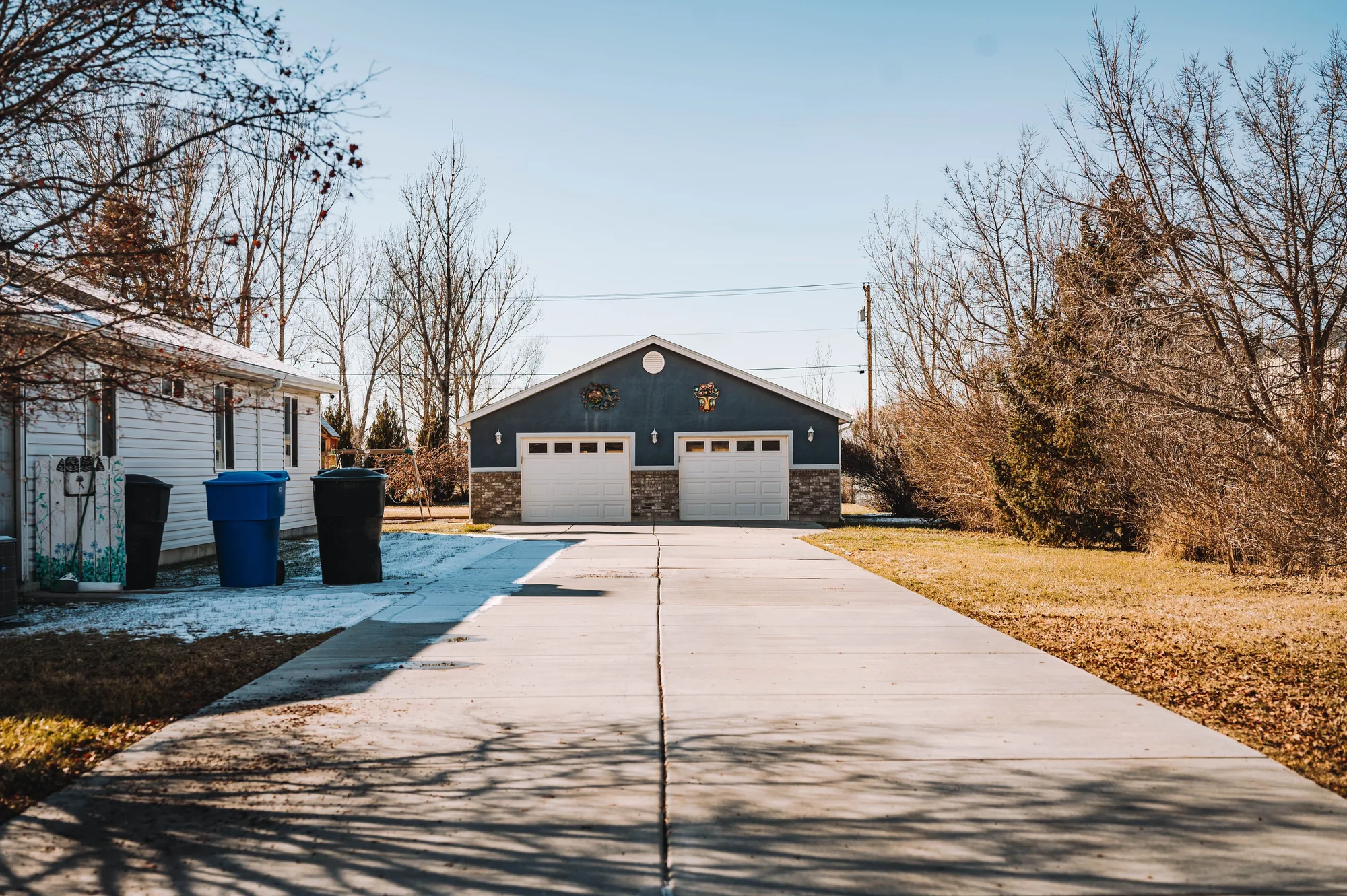
Stallings is a newer part of the map compared to a lot of what we cover. The median home here dates to around 2002, in line with the wider service area's 2000s-construction pattern.
Stallings, Charlotte NC
Stallings homes mostly went up after 2000, so we see torsion springs and steel panels, not the older hardware common closer to Charlotte. We travel 12 miles out to handle it.
What we do here
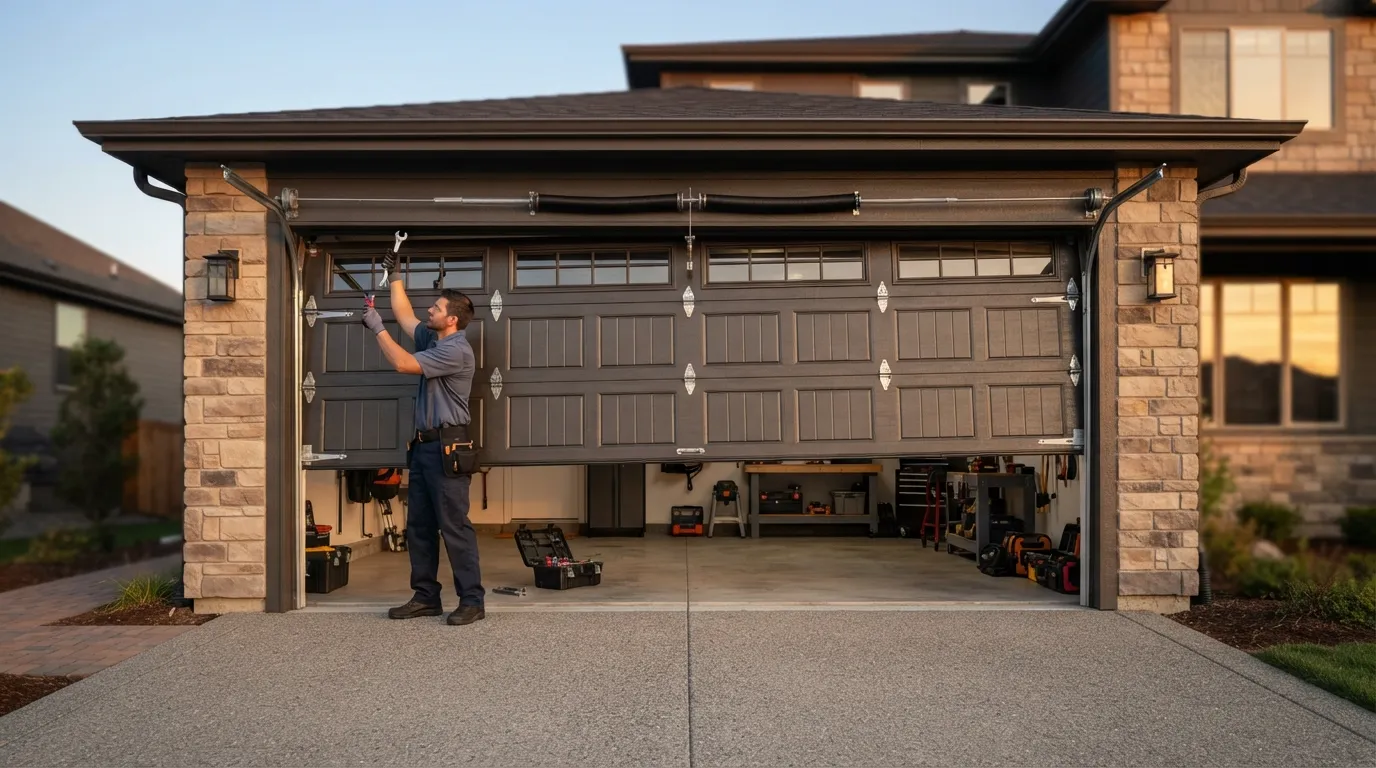
Local housing
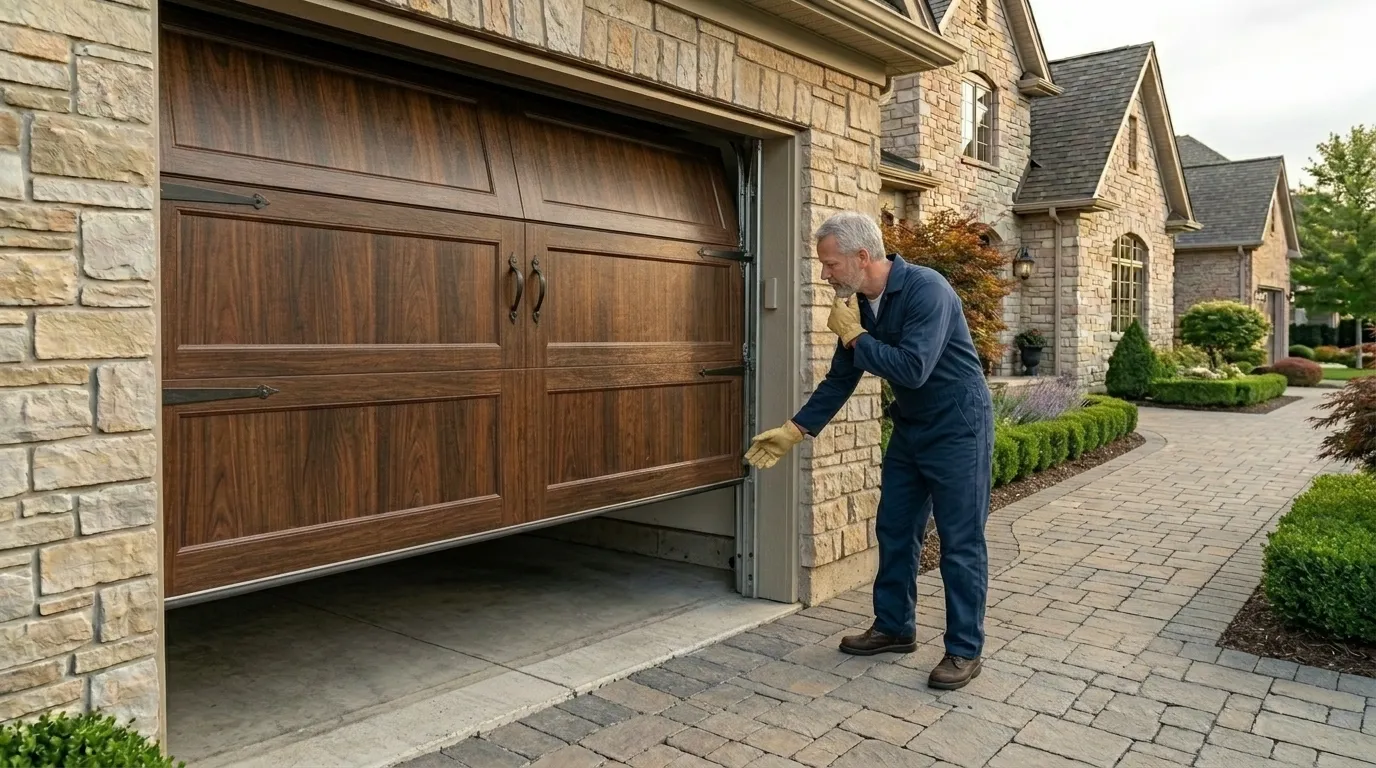
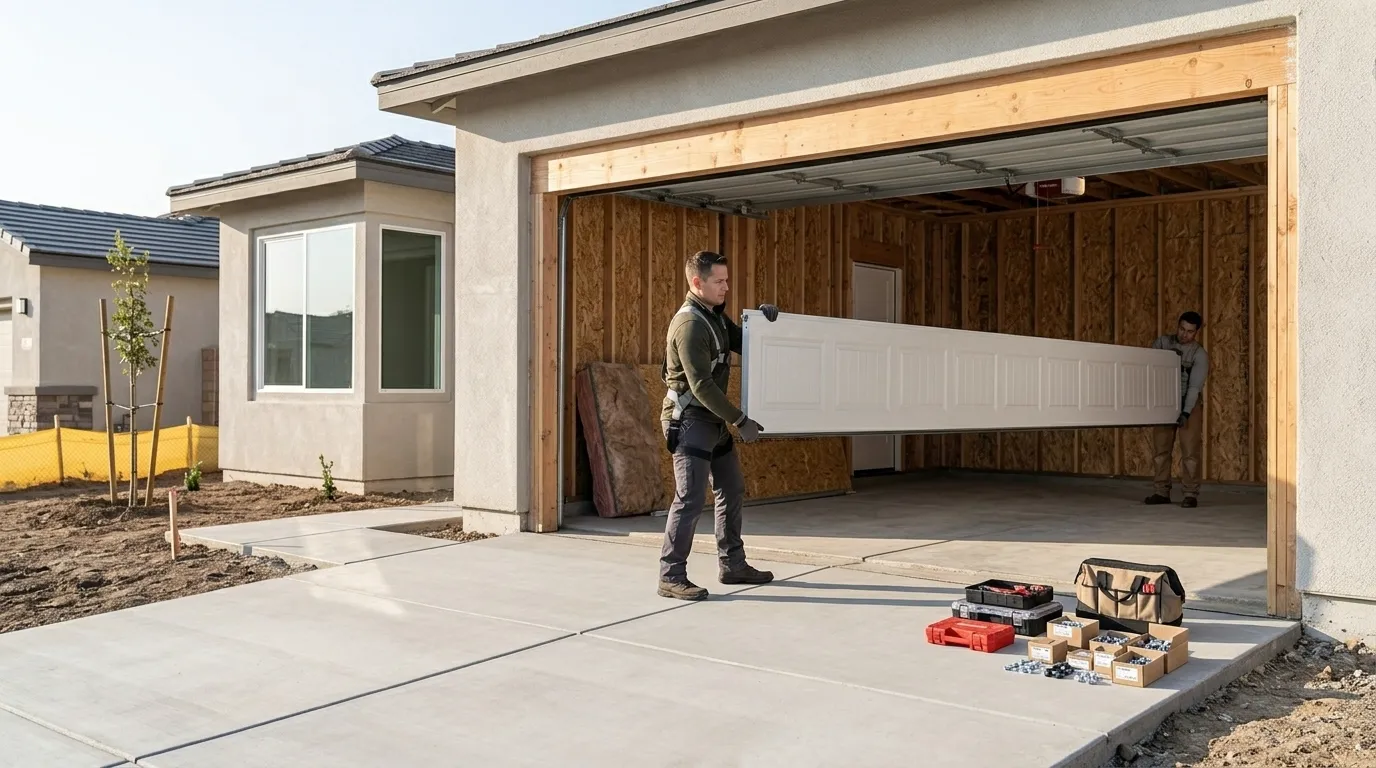
Stallings is a newer part of the map, with most homes dating to around 2002 and built to a similar production spec. That uniformity means we usually know the hardware before we ever open the truck.
Stallings is a newer part of the map compared to a lot of what we cover. The median home here dates to around 2002, in line with the wider service area's 2000s-construction pattern.
That means the garage doors we run into here are mostly steel sectional doors on torsion springs, factory-set from a builder spec, not the one-off or side-mounted setups you find in a 1960s subdivision.
The openers are newer too, usually chain or belt drive units installed within the last two decades rather than the older screw-drive units still hanging on in older housing stock elsewhere.
With 6,039 households in Stallings and a median income of $106,074, a fair number of these houses were built to a similar spec by a handful of production builders, so the doors, tracks, and spring sizing tend to be more uniform block to block than in older, more patched-together neighborhoods.
That uniformity actually helps us - when we know the era, we usually know the hardware before we open the truck.
Common jobs
Because the stock here is mostly 2000s built, the failures we see are wear-driven - worn rollers, springs at the end of their cycle count, quietly failing opener gears - not the older problems seen closer to the city. One honest note on replacing springs as a matched pair rounds out what we do.
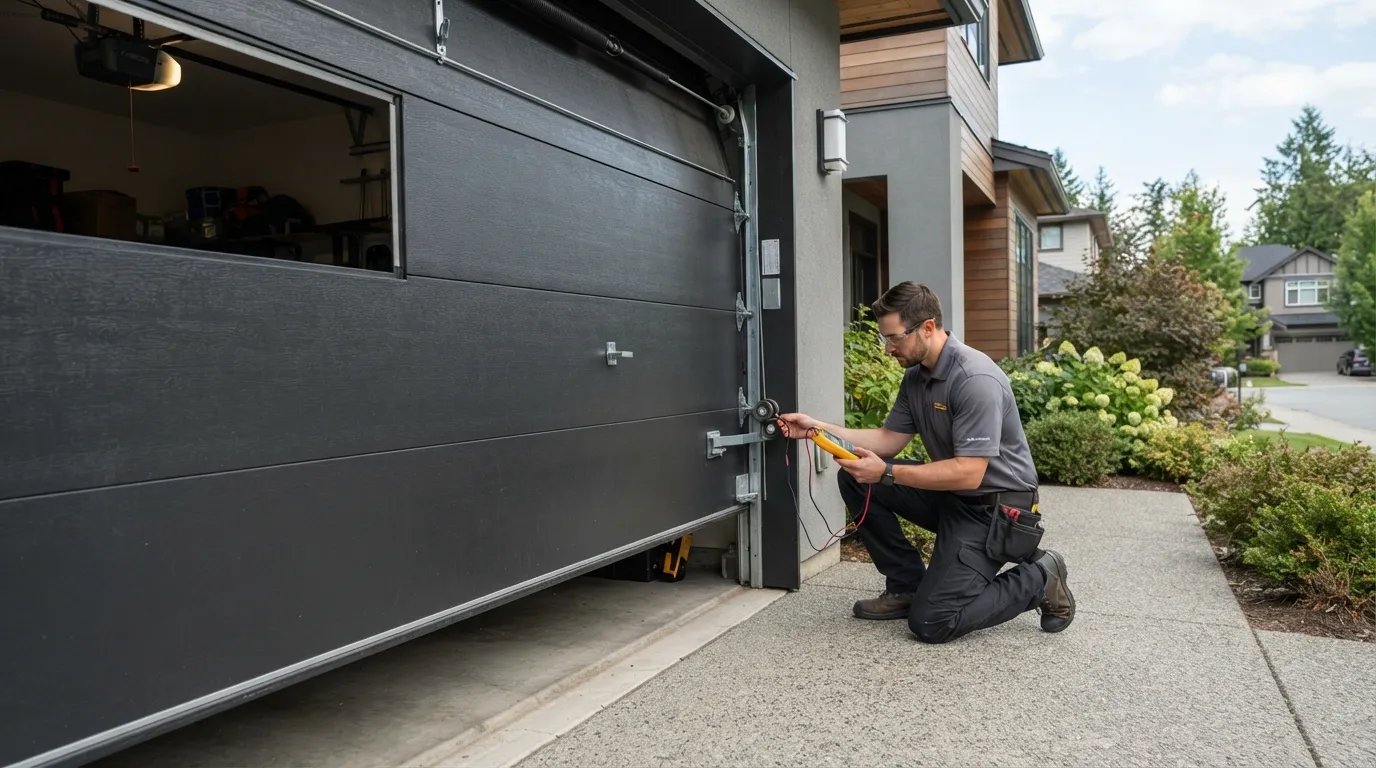
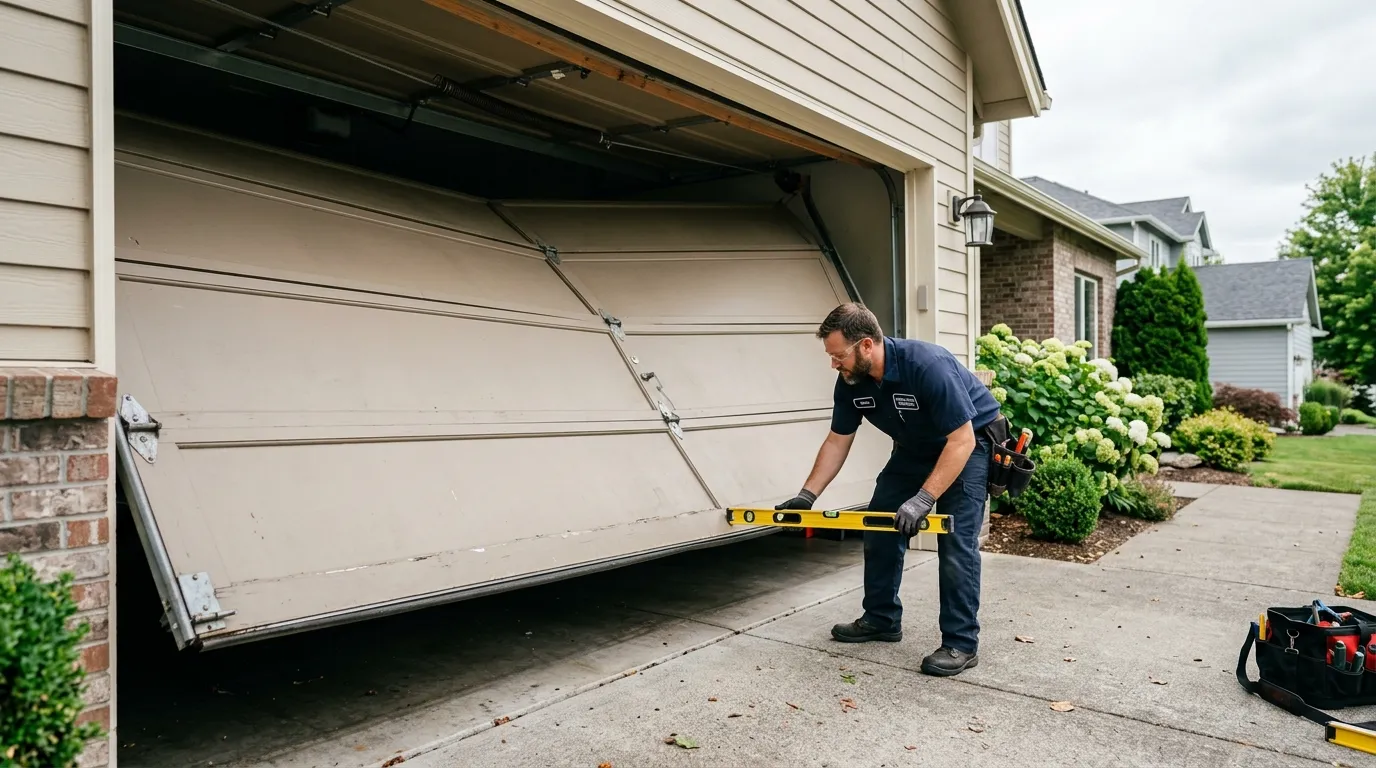
Because the stock here is mostly 2000s built, the failures we see are the ones that show up on doors after 15 to 25 years of daily cycles rather than the ones that show up on 60-year-old doors: worn rollers, torsion springs reaching the end of their cycle count, and openers with drive gears or belts that have quietly given out.
We don't get many calls here about warped wood panels or ancient extension-spring setups bolted straight to the header, the way we sometimes do on older housing stock closer into the city.
What we do get is cracked bottom panels from a car bumper, safety sensors knocked out of alignment, and torsion springs that finally let go after two decades of use.
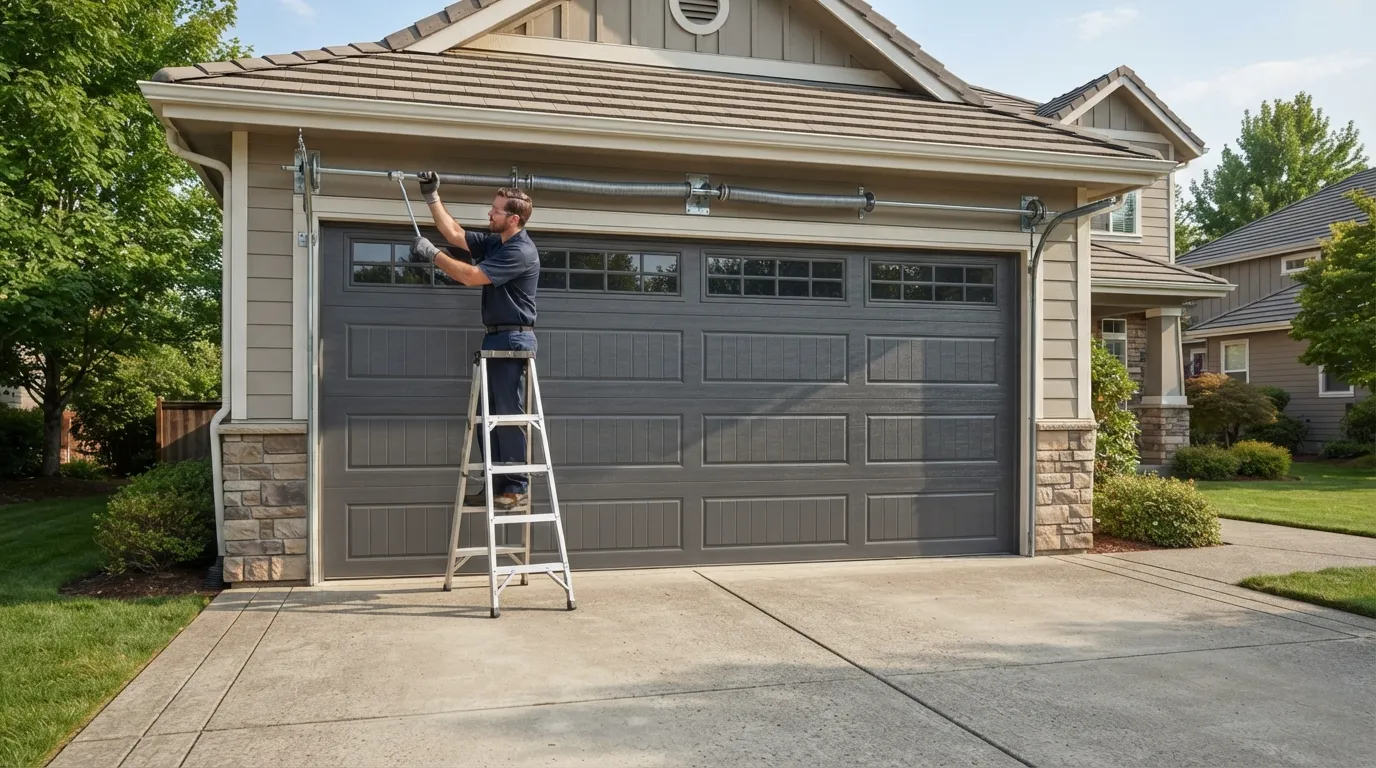
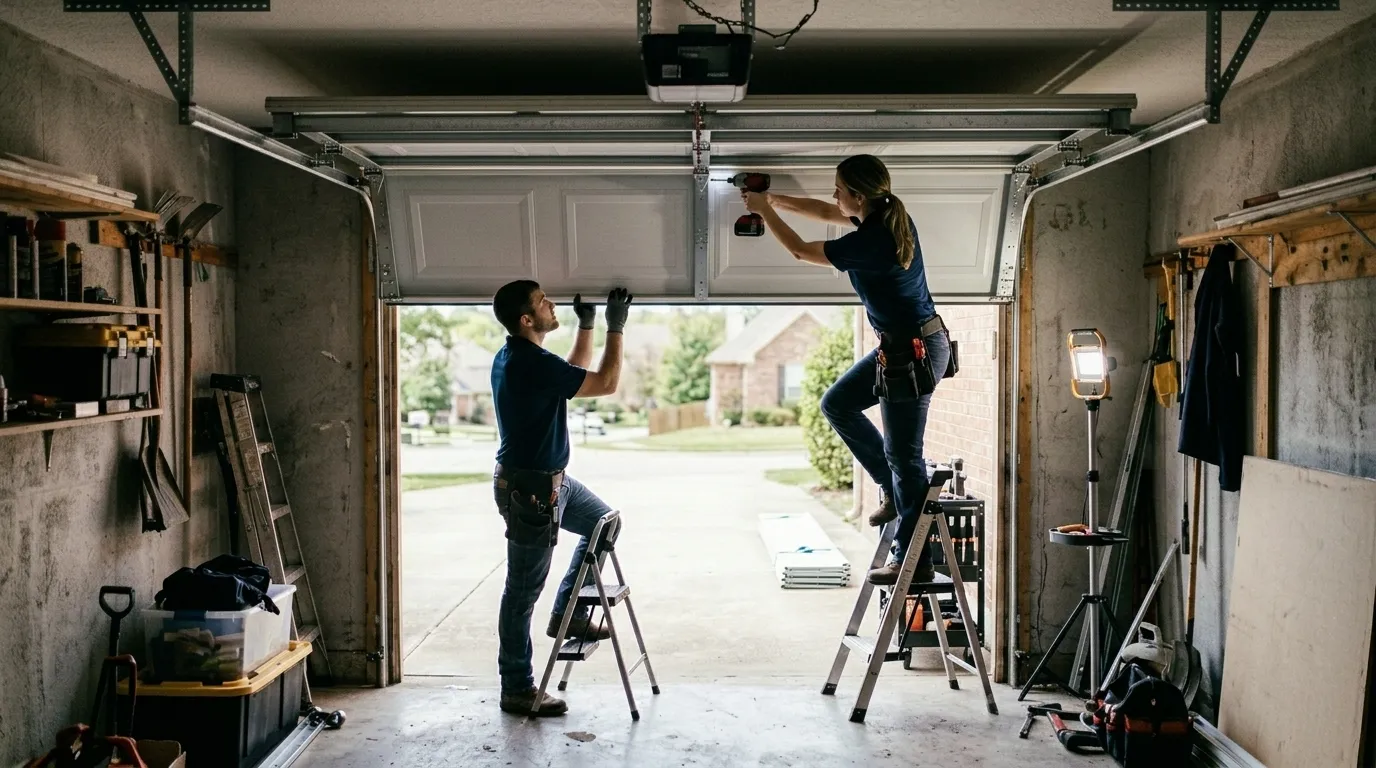
One honest note: if a spring has already snapped and the door is a builder-grade steel door from that era, replacing both springs as a matched pair is usually the right call rather than swapping just the broken one - matched pairs cycle evenly and it saves a second visit.
Service area
Stallings sits about 12 miles out from Charlotte, and we run out from there for calls in this area. That distance means we're not sitting on a corner five minutes away, so if you need same-day work it's worth calling early rather than waiting until end of day. We don't keep a location in Stallings itself - the truck comes from Charlotte, loaded for the kind of jobs this area actually generates, which given the age of the housing stock here means torsion spring stock in common builder sizes and standard steel panel sections rather than legacy parts for older doors.
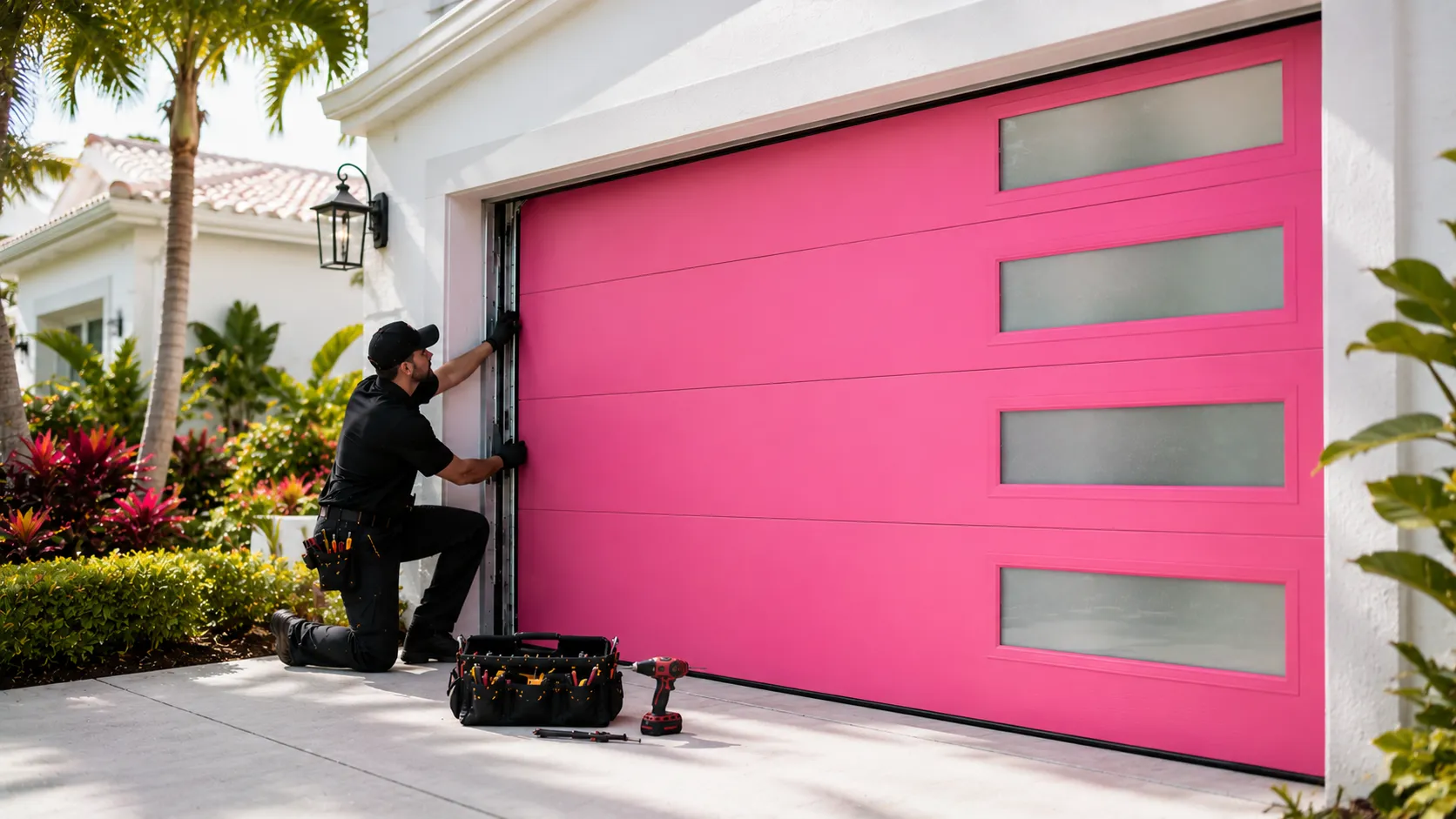
Warning signs
Walk up to a garage door on a house built around 2002 in Stallings and here's what you're looking at, from the torsion setup to the insulated panels, and why most of what fails is wear rather than a mystery.
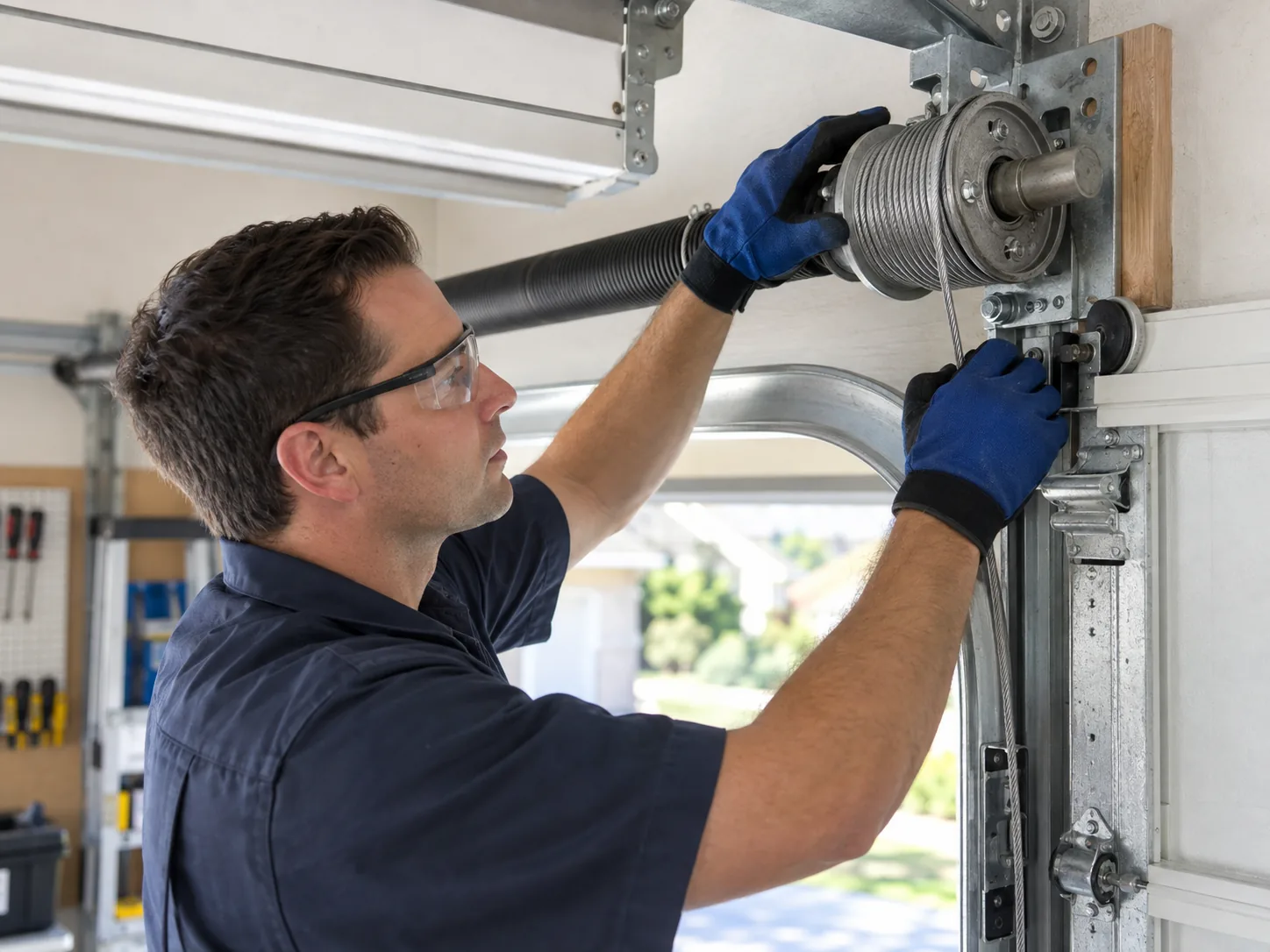
Walk up to a garage door on a house built around 2002 and you're almost always looking at a torsion spring system mounted on a shaft above the door, not the older side-mounted extension springs you'd find on a house from decades earlier.
The panels are steel, often with a foam core for insulation given the area's cold winters, and the tracks are galvanized rather than the bare steel that rusts out on much older doors. The opener is bolted to the ceiling on a rail rather than a chain running loose in open air.
What this means in practice: repairs on these doors are usually straightforward, because the parts are standard sizes still in production, not obsolete hardware you have to hunt down.
The tradeoff is that at roughly two decades of age, a lot of these doors are now hitting the point where the original spring, the original rollers, or the original opener gear are simply worn out from cycle count, not from being an old or unusual design. That's a maintenance problem more than a mystery problem, and it's usually a same-visit fix once we're on-site.
Service areas
Questions
Not likely if your house was built in the 2000s, which covers most of Stallings. You're probably running a torsion spring system and a steel panel door, both still standard today. The bigger issue at this age is wear - springs and rollers that have simply hit their cycle limit - not obsolete parts.
No, we run out to Stallings from Charlotte, about 12 miles away. We don't keep a depot or staff stationed in Stallings itself, so for same-day work it helps to call earlier in the day rather than late.
On a builder-grade steel door from the 2000s era common in Stallings, we usually recommend replacing both torsion springs as a pair even if only one has broken. They wear at close to the same rate, and doing both now saves you a second service call in a year or two.
Because most of Stallings was built well after 2000, the housing stock skews newer than areas closer to central Charlotte. Builders from that era used steel sectional doors almost exclusively, so older wood or extension-spring setups are rare in this part of the service area.
Ready when you are
Charlotte Garage Door Pros repairs and installs garage doors, springs and openers in Charlotte, NC and the surrounding area.