
Impact damage
Most calls start with a dent from a car bumper, a trash can, or a basketball, and the owner wants to know if that one section can be swapped without replacing the whole door.
Charlotte, NC
Panel replacement for Charlotte homes built 1967-2011, matched to the steel and aluminum sections common across the area's 2000s-era housing stock.
Job timing
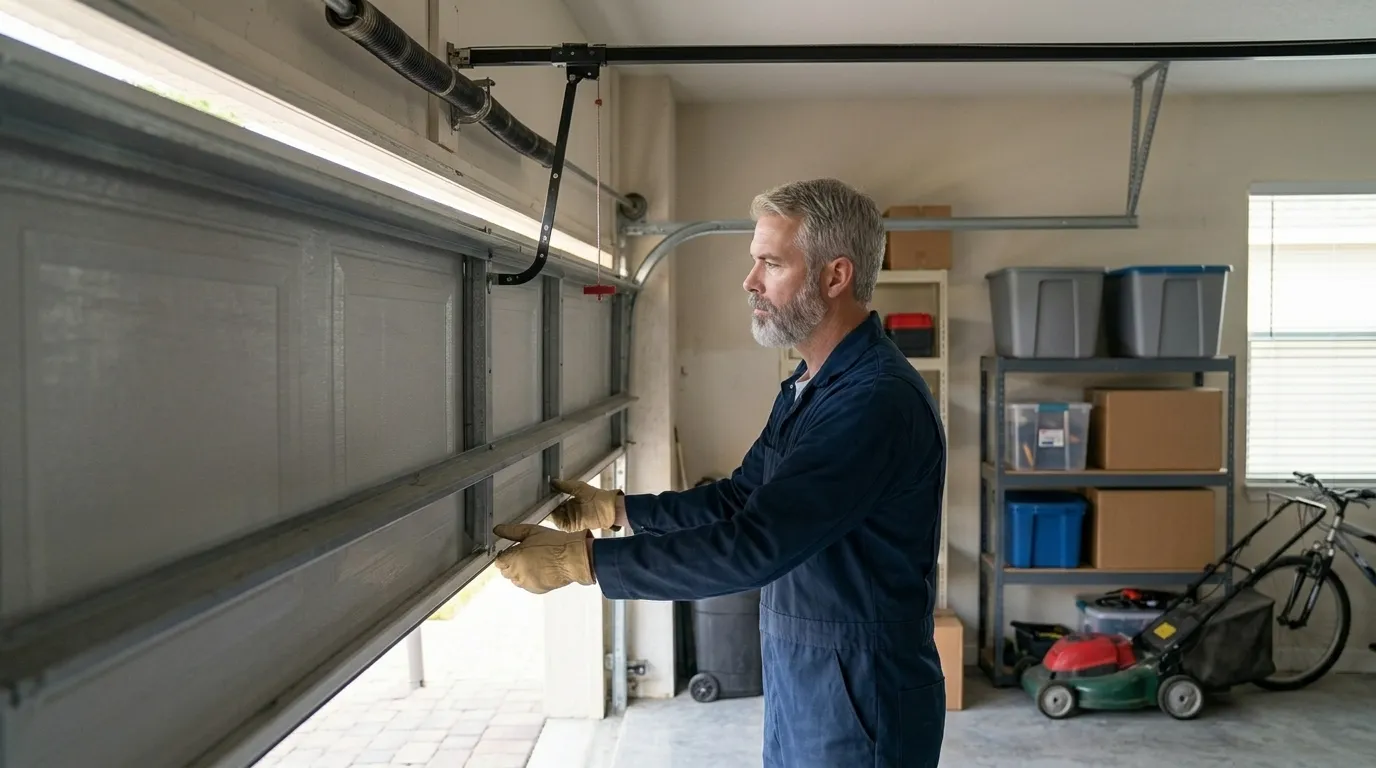
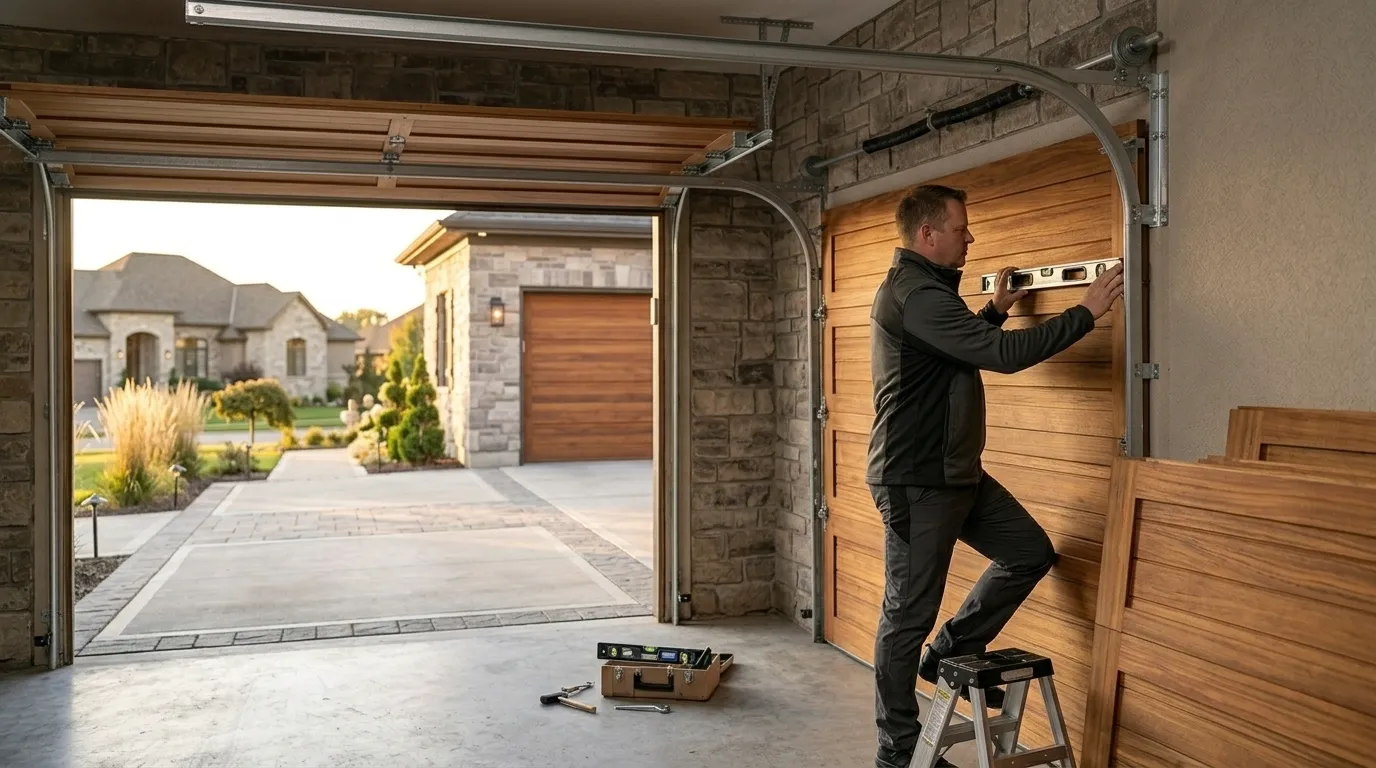
A single panel swap on a sectional door usually runs a couple hours once we're on site, but sourcing the right section is where a job can stretch out. Here's how we handle it.
A single panel swap on a sectional door usually runs a couple hours once we're on site, assuming the section is in stock or can be matched off the shelf.
A lot of Charlotte's housing went up between 1967 and 2011, with the bulk of it dating to the 2000s, and doors from that run came in dozens of panel widths, insulation depths, and finishes that builders picked to match a subdivision, not to be universal.
If your door is an odd width or an older embossed steel style, we may need to order the section rather than pull one off a shelf, and that adds days, not hours, to the job. We'll tell you upfront if that's the case rather than quote a fast turnaround we can't back up.
On a full door where multiple panels are damaged or the track geometry is off, we're often looking at a half day, since panel alignment on a sectional door depends on the whole track and roller system being square, not just the new piece bolting on clean.
Symptoms
Most calls start with a dent from a car bumper, a trash can, or a basketball. Here's what we actually find once we look closer.
Most calls start with a dent from a car bumper, a trash can, or a basketball, and the owner wants to know if that one section can be swapped without replacing the whole door.
Sometimes it's not impact damage at all - it's a bottom panel that's gone soft or delaminated where water sits against it, or a section that's bowed enough that the door binds in the track partway through its cycle.
On older steel doors from the earlier end of Charlotte's 1967-2011 building window, we also see rust-through at the panel seams where the galvanized coating wore thin decades ago.
The tell that it's a panel problem and not a spring or opener problem: the door still moves, but it drags, catches, or won't seat flush at the bottom, and you can usually see the section itself is warped or dented rather than sagging evenly across the whole door.
DIY or pro
A panel swap looks simple on video - unbolt the hinges, slide the section out, slide the new one in. Here's what that misses.
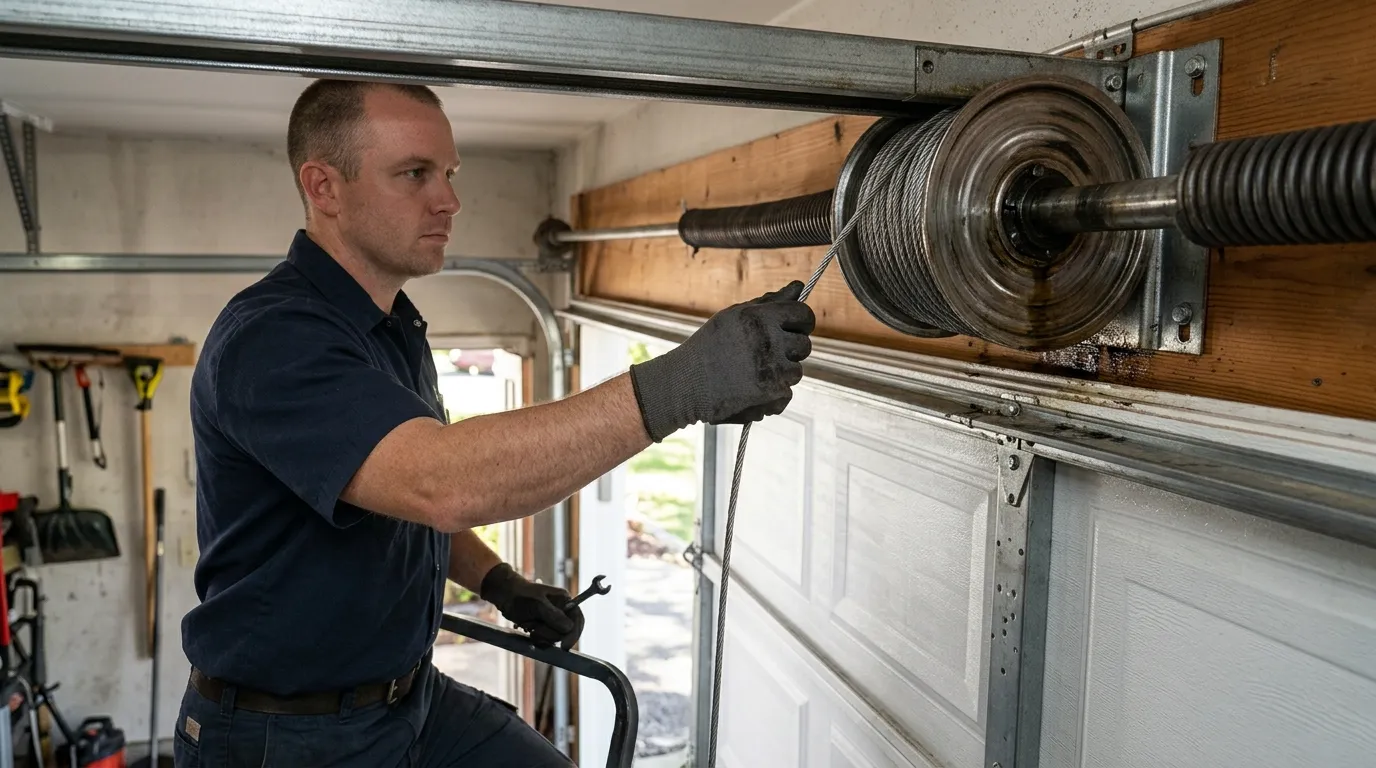
In practice the sections on a sectional door carry real spring tension through the whole assembly, and pulling hardware off a loaded door is how people get hurt or bend the track further.
Paint fade, embossing pattern, and panel gauge vary enough across builders and years that a mismatched section sticks out even when it fits.
If you're comfortable with basic tools and your door is unloaded and off any automatic opener while you work, a bottom panel with light surface damage is about as far as we'd suggest going it alone.
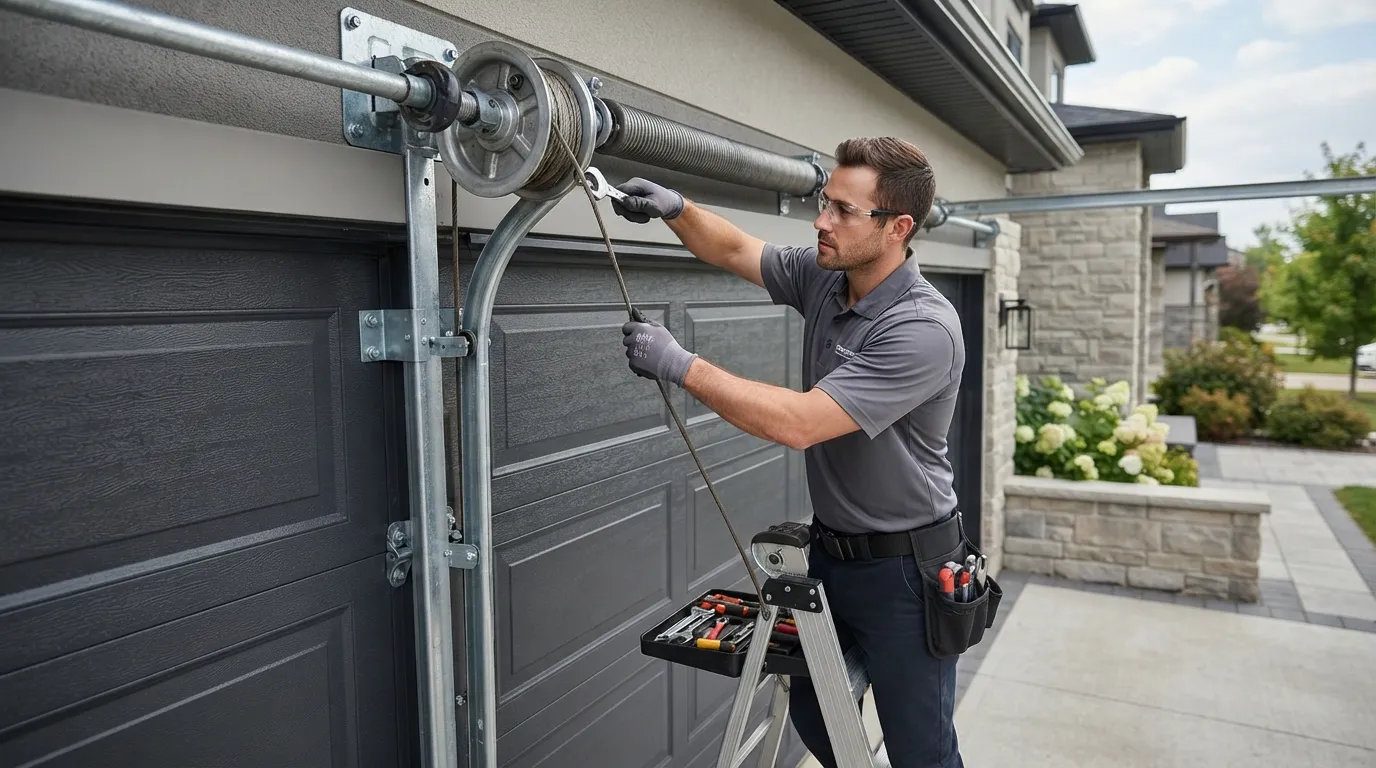
Anything involving a mid or top panel, torsion spring removal, or a door that's already binding in the track is where the math on your own time stops making sense - the parts cost is the same either way, and a bent track from a DIY attempt costs more to fix than the panel did.
Local causes
Charlotte sits in a cold-moderate climate band, which means panels here go through real freeze-thaw swings rather than steady heat or steady cold. Steel and aluminum panels expand and contract with those swings, and over years that cycling works at seams, fasteners, and any spot where the factory coating was thin to begin with - that's why rust-through and delamination show up more at panel joints than in the middle of a section. Because most of the area's roughly 83,000 households sit in housing built across that long 1967-2011 window, with the heaviest concentration from the 2000s, the panels failing right now tend to cluster around two eras: older steel doors reaching the end of their coating life, and 2000s-era doors where the original vinyl-backed insulation is starting to separate from the skin. Either way it's the panel material meeting Charlotte's seasonal swing, not a one-time impact, that's usually doing the damage under the dent.
Questions
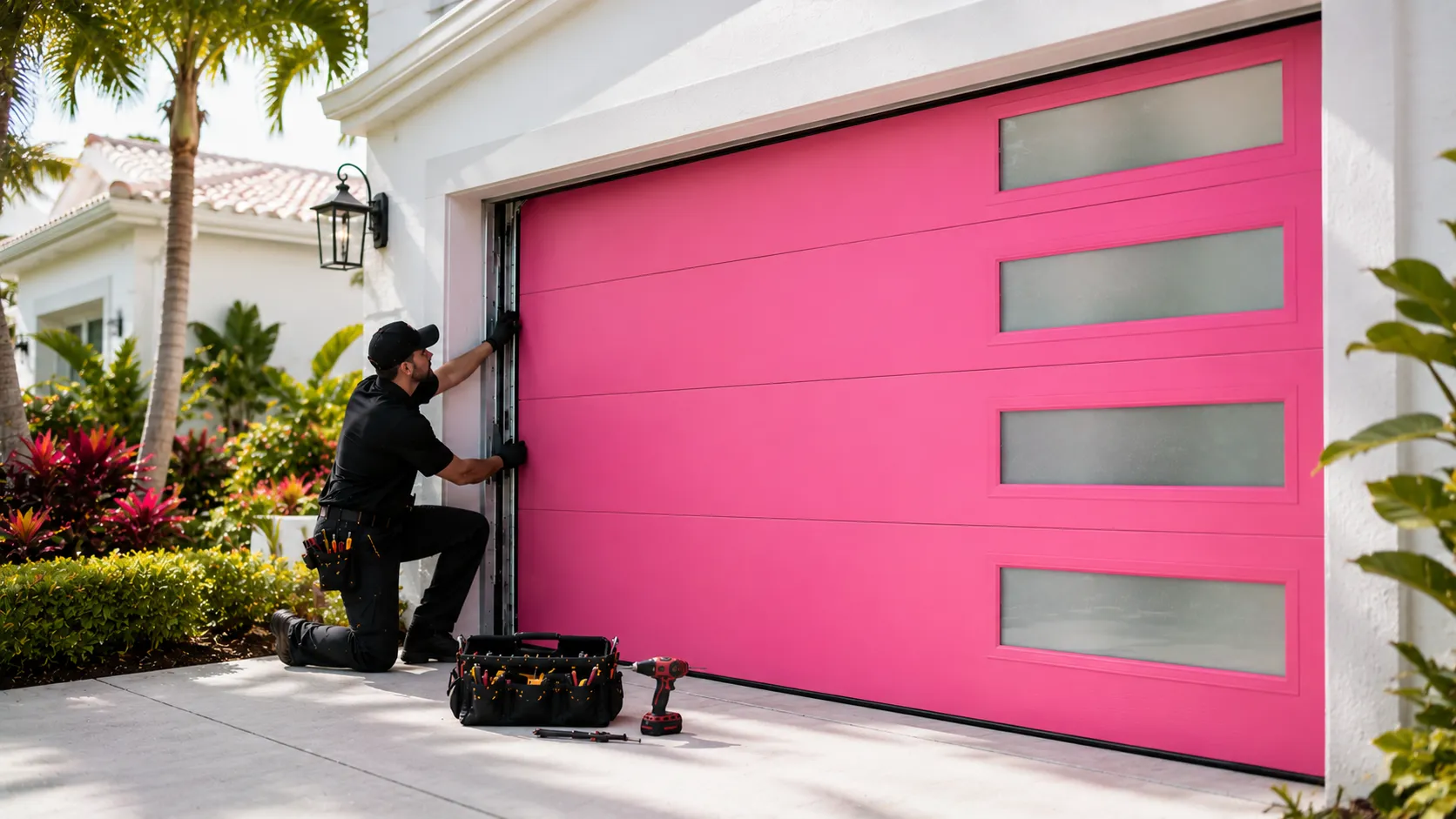
Often just the damaged section can be matched and swapped, especially on doors from the common 2000s-era styles built across the area. If your door is older or an unusual width, we may not be able to source an exact match, and we'll tell you that before we quote the job rather than after.
Paint and finish age differently depending on sun exposure and the coating batch used when the door was built. A new section will usually look slightly different for a season or two even when it's the correct match - this is a cosmetic issue, not a functional one.
If the door still opens and closes on a normal cycle but drags or won't seat flush at the bottom, that's usually the panel itself, often from moisture damage. If the whole door feels heavy or won't stay open, that points to the spring, not the panel.
Explore more
Ready when you are
Charlotte Garage Door Pros repairs and installs garage doors, springs and openers in Charlotte, NC and the surrounding area.