
Older Spring Setups
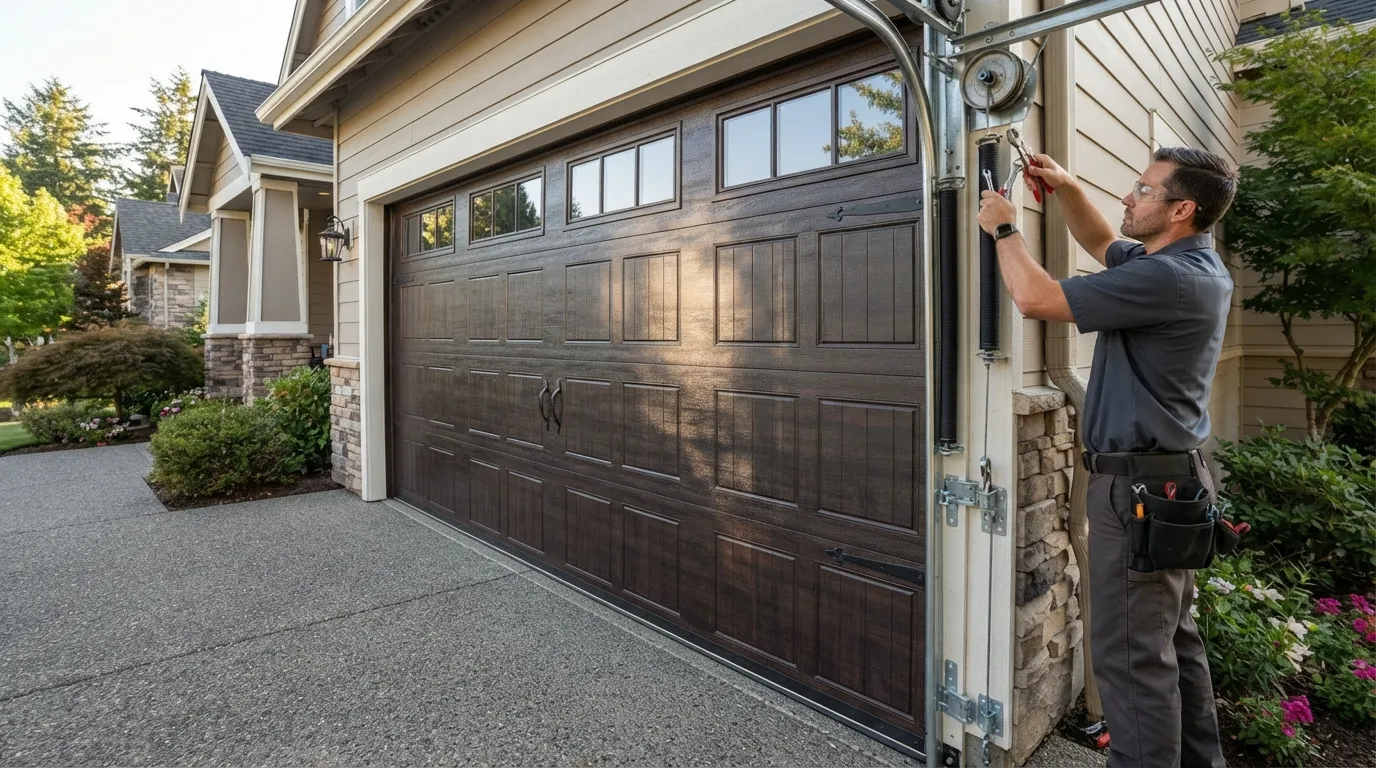
Earlier homes can use spring, track, bracket, and mounting arrangements that differ from later residential systems, so the fix isn't always a drop-in match for modern hardware.
Local garage door service · Charlotte, NC
Garage door repair and service for Charlotte homes built mostly between 1967 and 2011, covering springs, cables, tracks, panels, off-track doors, installation, commercial garage doors, and the residential systems common across Charlotte's 2000s-era housing stock.
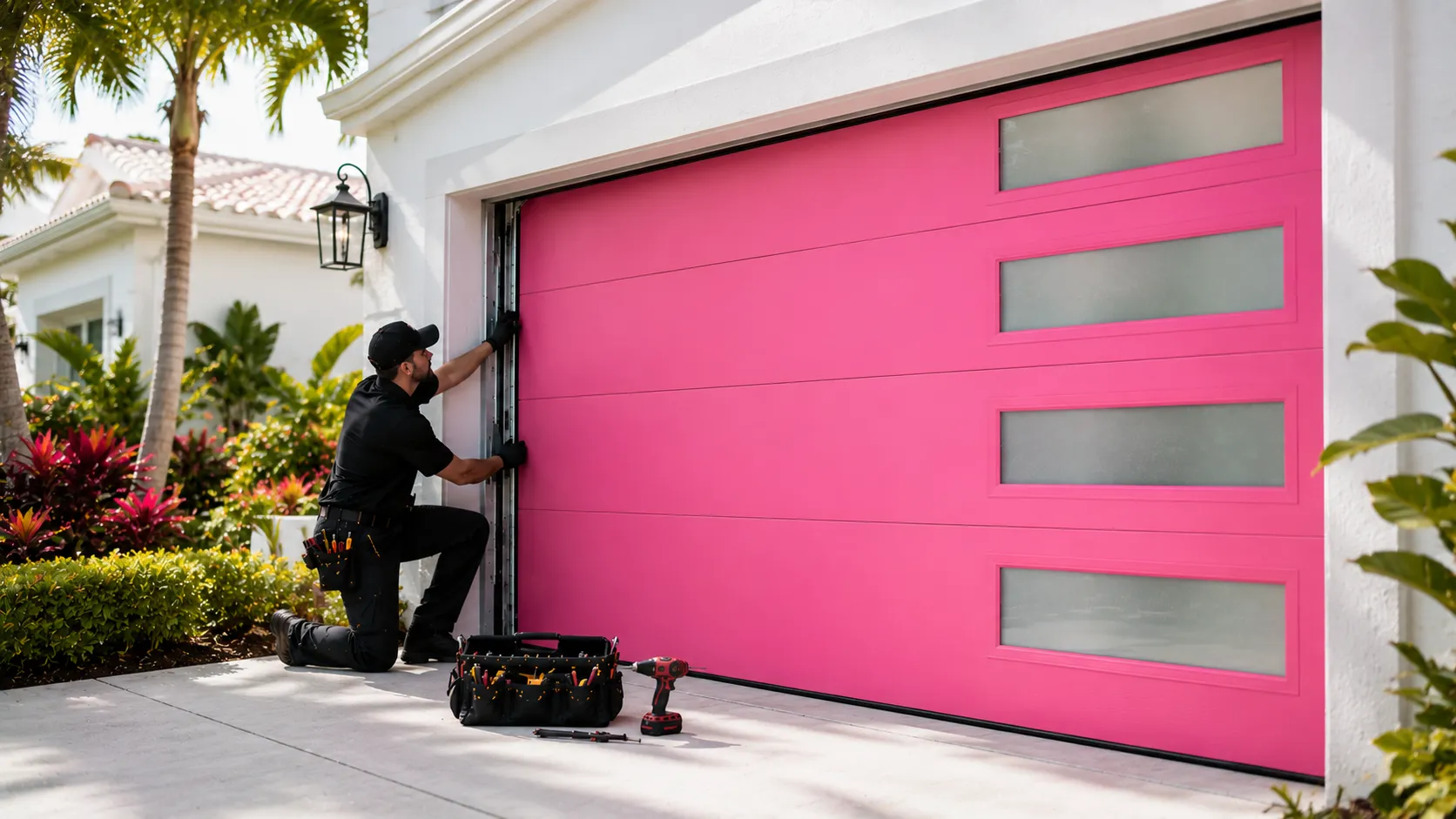
Garage door services
From broken springs and snapped cables to off-track doors, damaged panels, installation, commercial garage doors, and general repair, the service lineup is built around the garage door systems common across Charlotte's mixed 1960s-through-2010s housing stock.
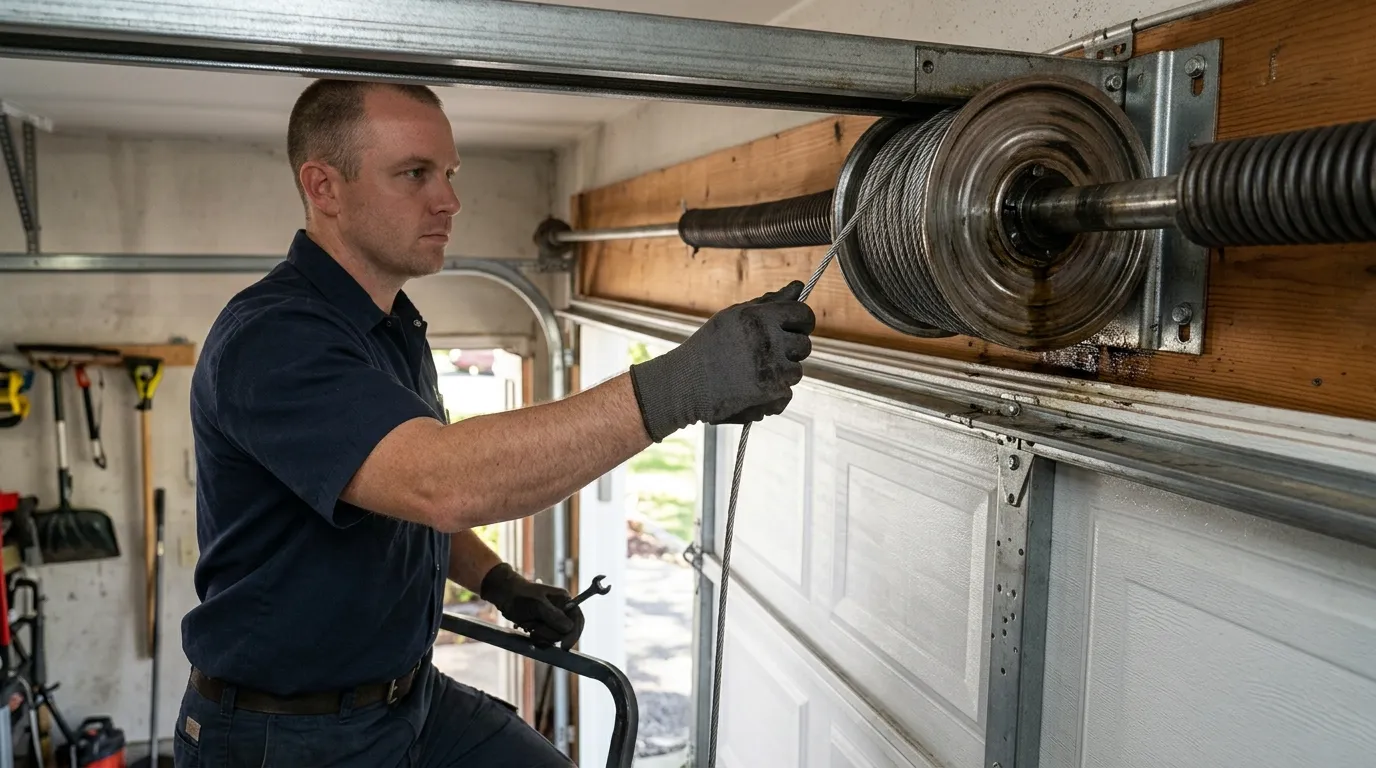
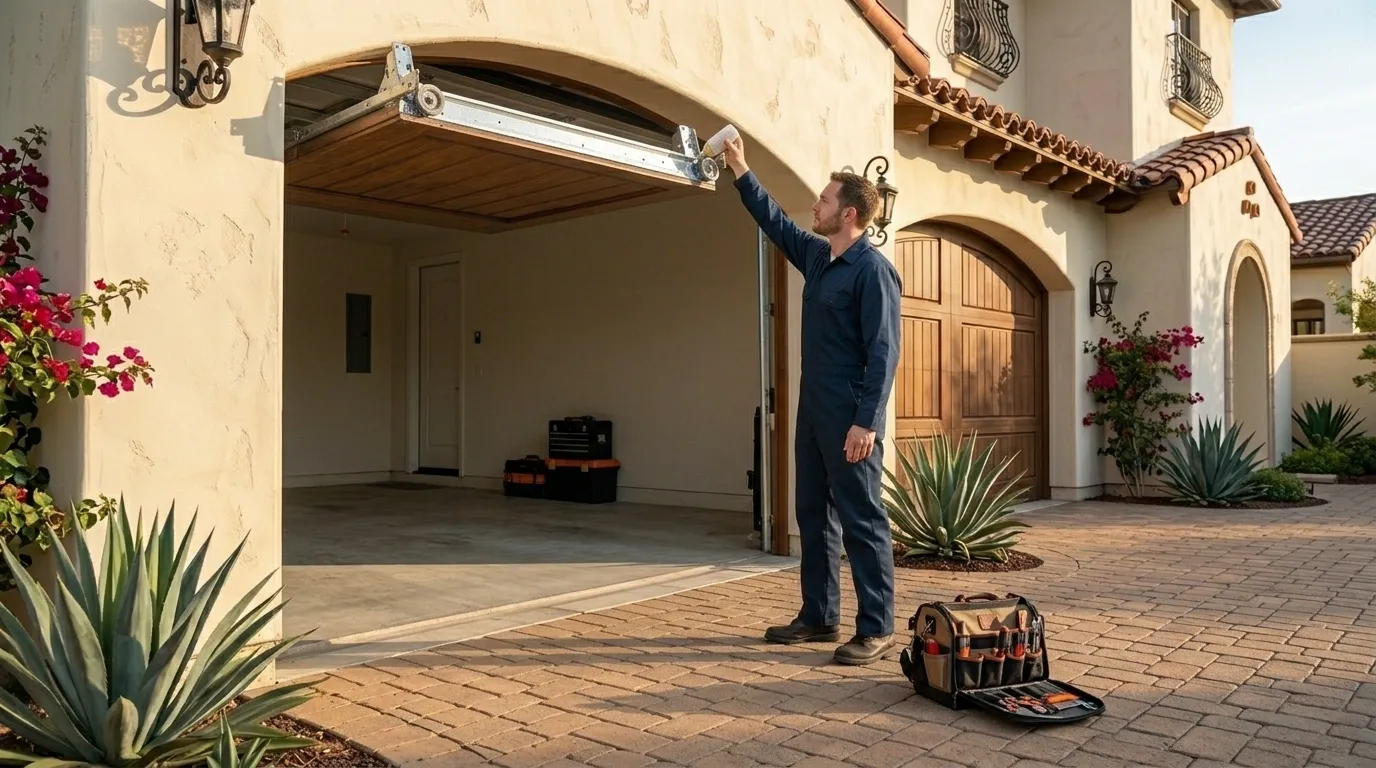
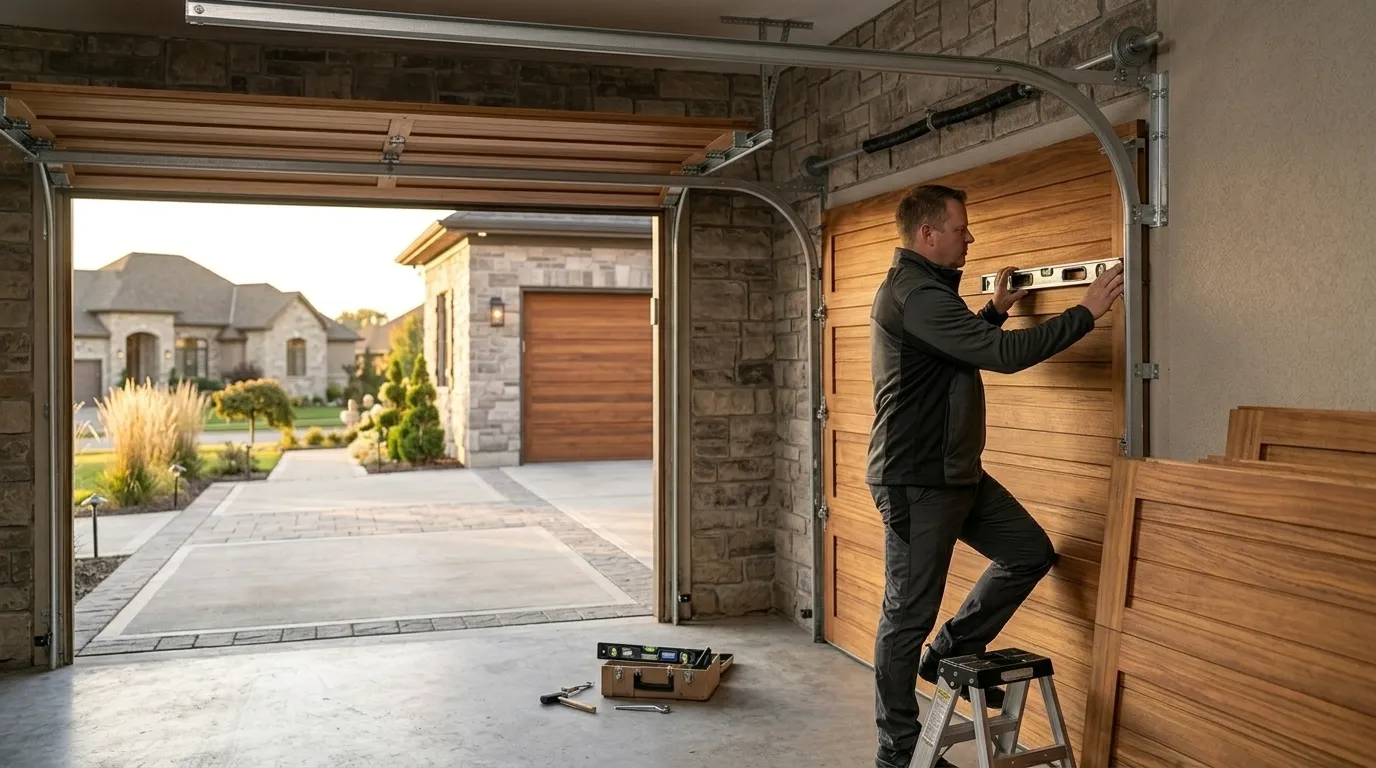
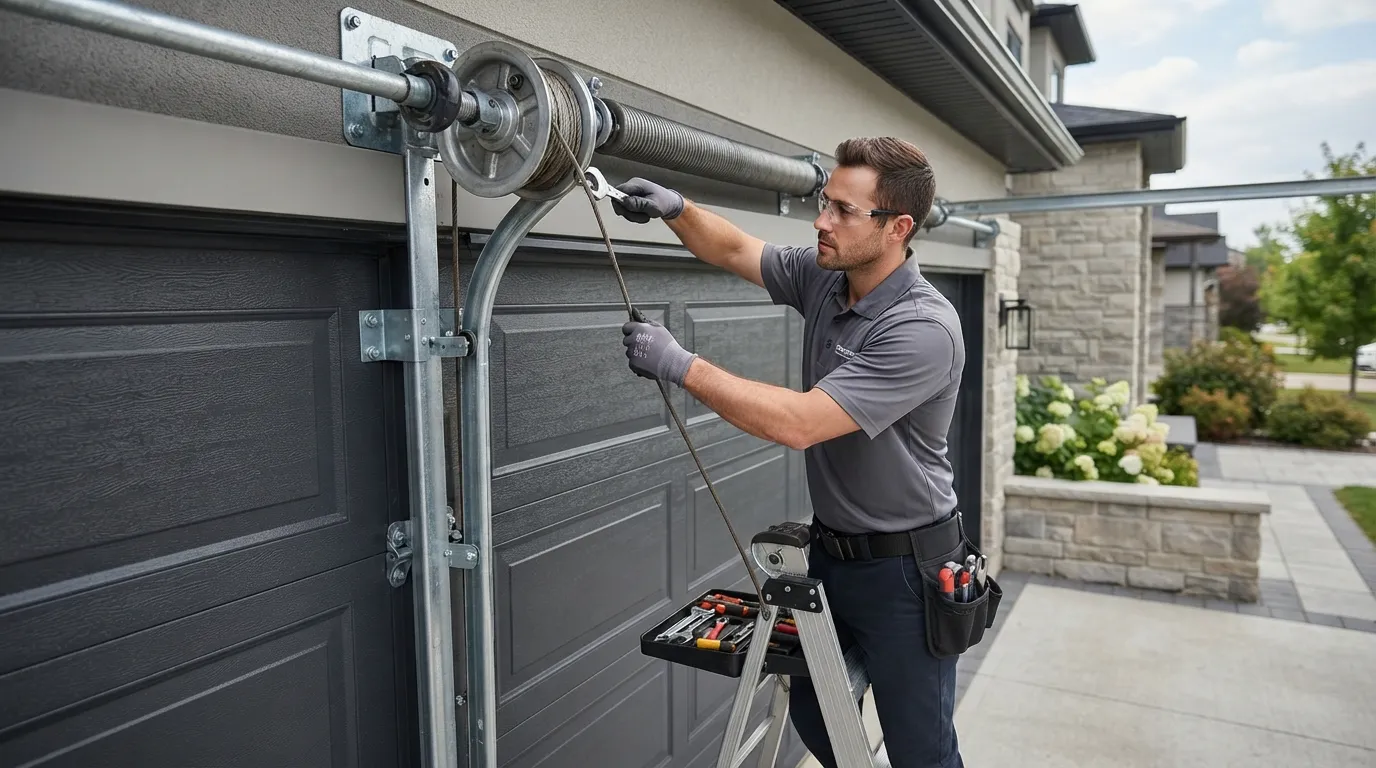
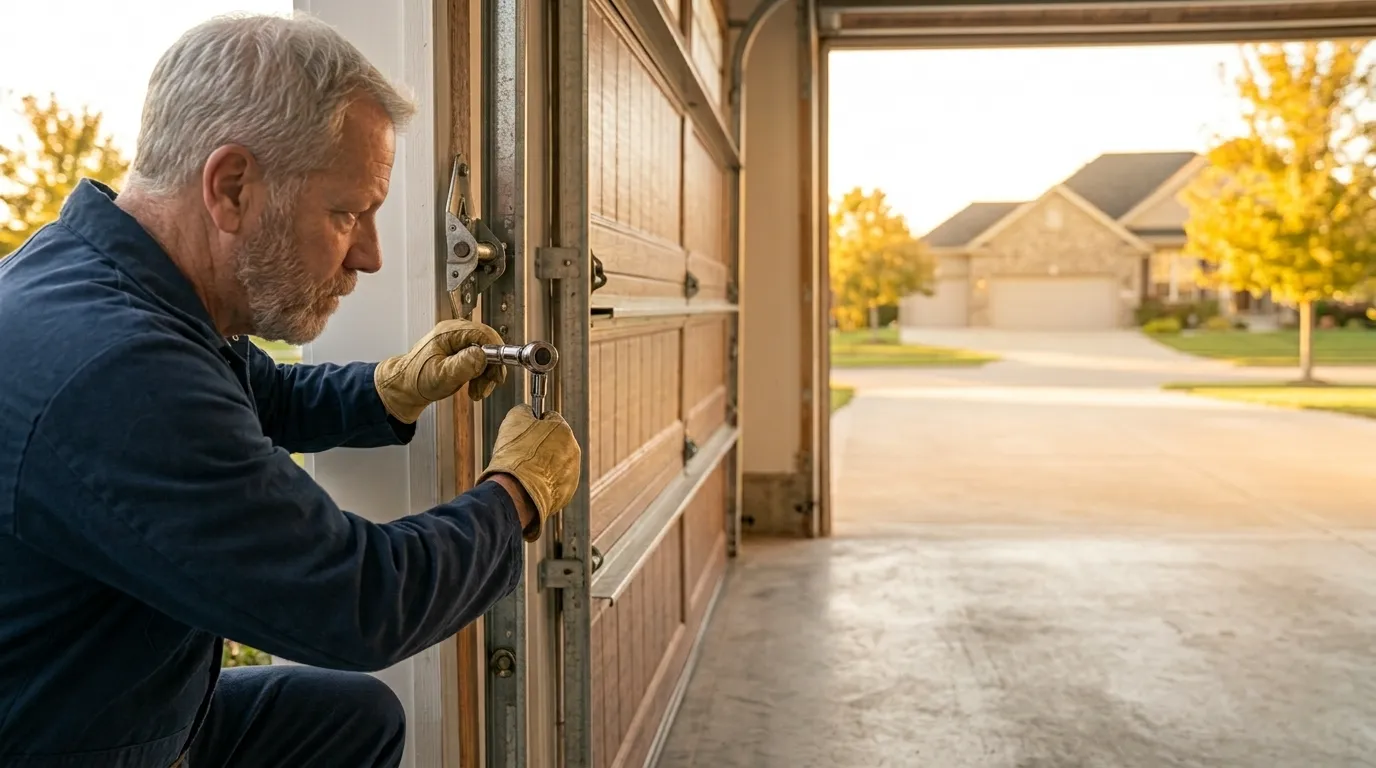
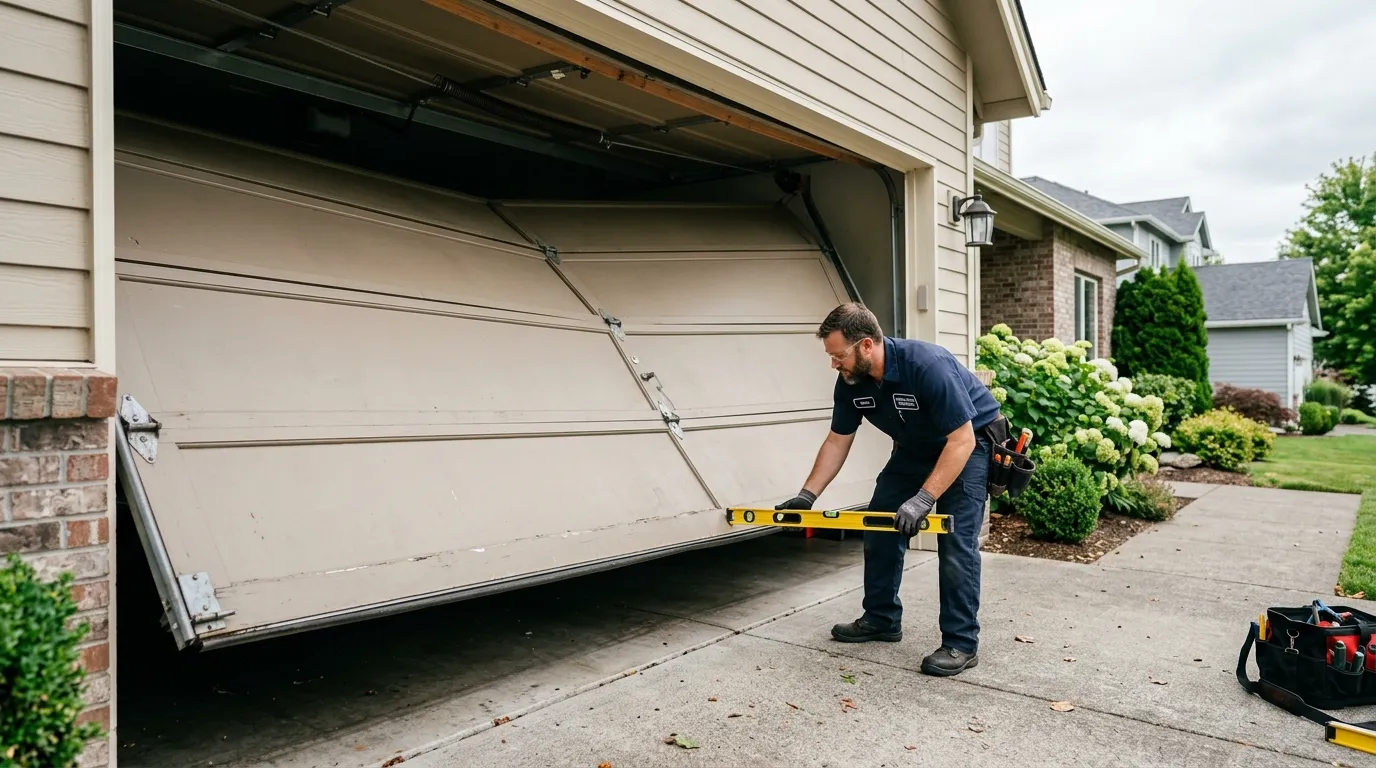
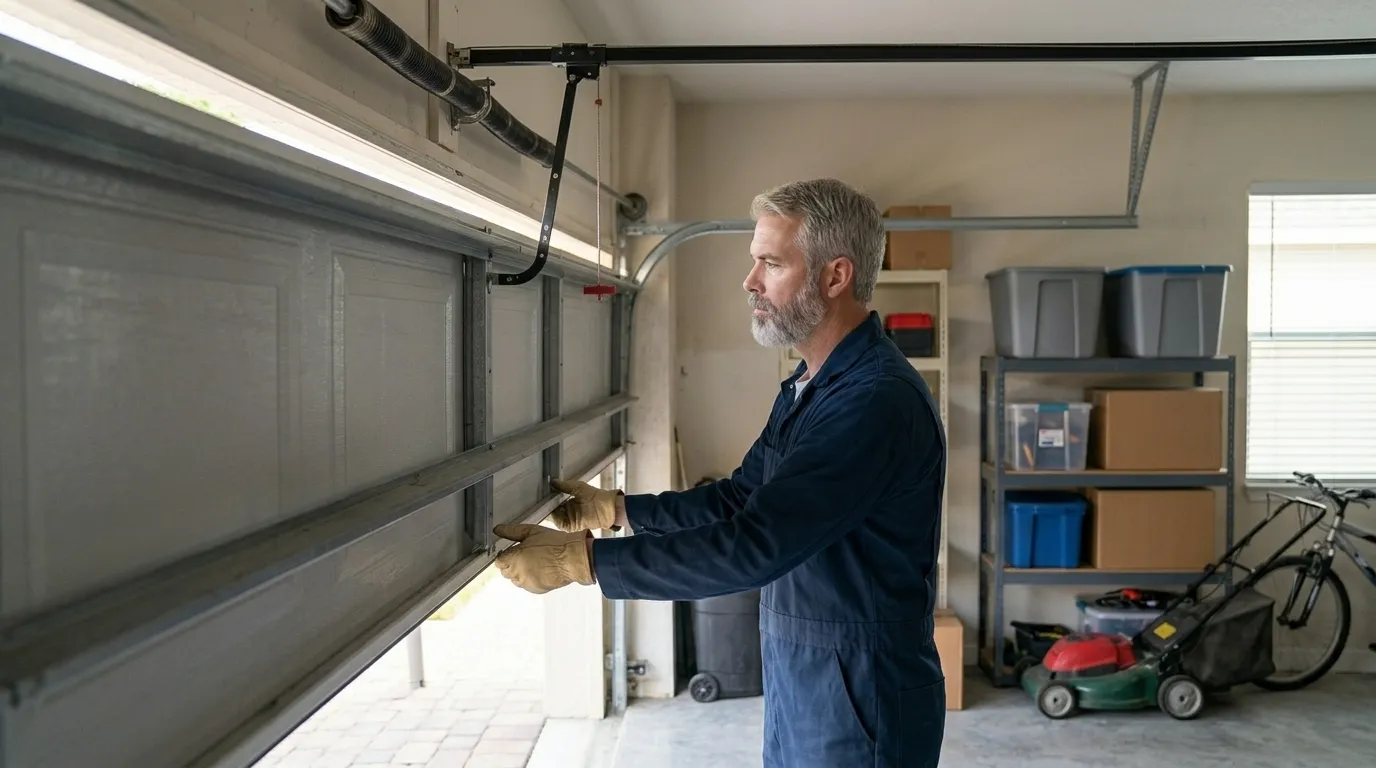
Local housing matters
Most of the housing here was built between 1967 and 2011, with the median build year around 2001.
That range creates several generations of residential garage door systems, from older spring and track configurations in established neighborhoods to later insulated steel doors, factory-set torsion systems, and more modern opener electronics.
Across the broader source service area there are roughly 83,123 households and about 57,865 owner-occupied houses.
Late-1990s and 2000s hardware remains common enough that many spring, cable, roller, track, and opener components are still serviceable.
The house's build era provides useful context, but the actual repair still depends on the springs, cables, tracks, rollers, opener, panels, and previous work installed today.
Multiple generations of garage doors
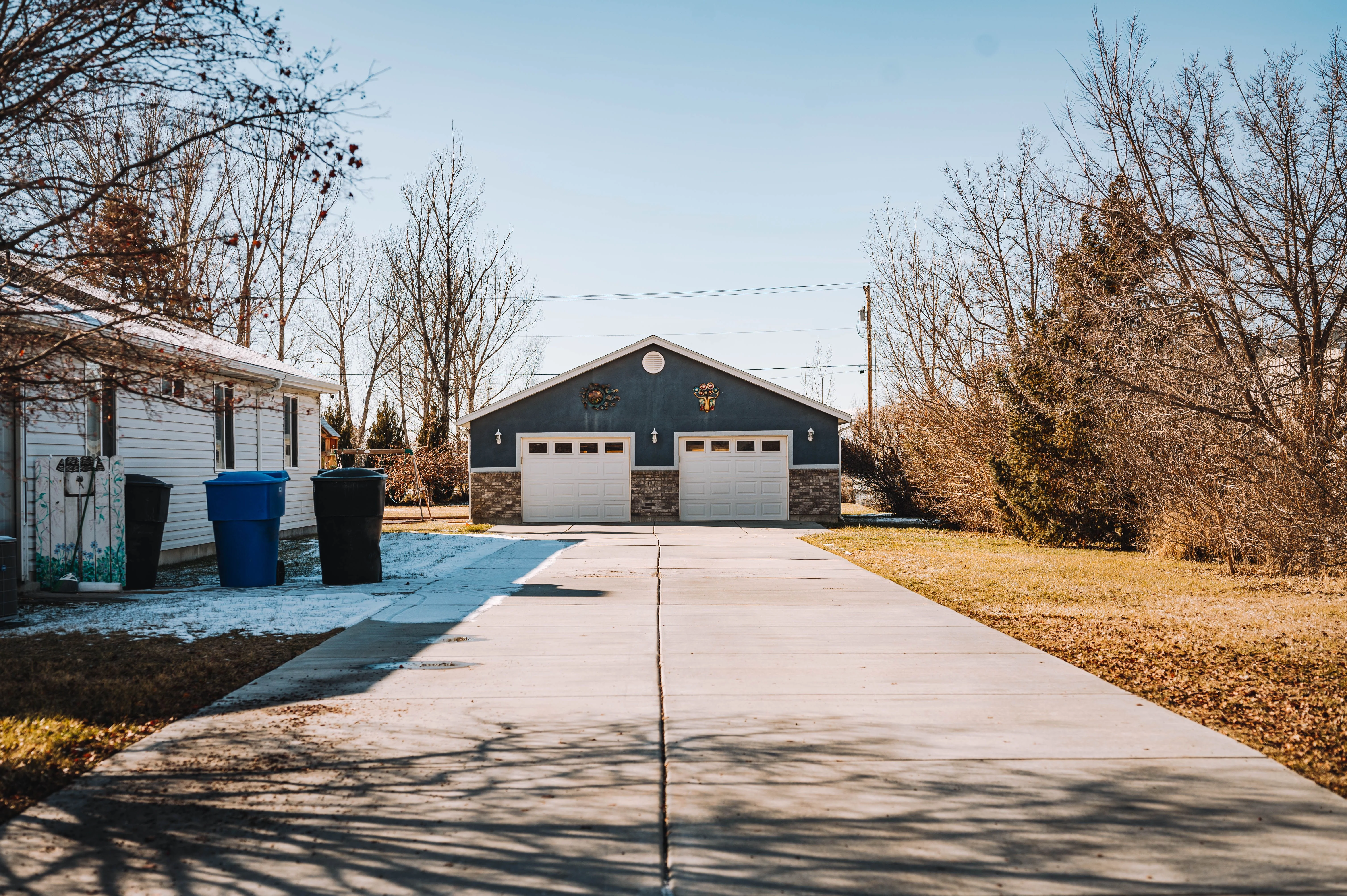
Homes spanning 1967 through 2011 create a mix of older spring hardware, steel sectional doors, chain-drive openers, insulated doors, factory-set torsion systems, and several generations of replacement components.
Earlier homes can use spring, track, bracket, and mounting arrangements that differ from later residential systems, so the fix isn't always a drop-in match for modern hardware.
Much of the housing stock around the median build year uses steel sectional doors paired with torsion or extension spring systems, which shapes most of the spring and panel work here.
Builder-era openers from the late 1990s and 2000s can now develop gear, board, motor, and control problems as they reach the end of their service life.
Homes toward the newer end of the range are more likely to use insulated steel doors and factory-matched spring systems, which call for correctly sized replacement parts.
What to expect
We start with what the door is actually doing, check the door before the opener to separate the likely causes, then inspect the failed component and surrounding hardware before pricing the repair.
Tell us whether the door won't open, is moving crooked, made a loud bang, or the opener runs without moving the door. That symptom is the starting point for narrowing the cause.
We check how the door moves by hand to help separate spring, cable, track, and opener problems, rather than assuming the opener is at fault when the door feels like dead weight.
The actual failed component and surrounding hardware are inspected before the repair is priced, so you know what's wrong and what it costs before any work begins.
Common springs, cables, rollers, tracks, and other hardware may be available without special ordering, while uncommon older components can require sourcing. We tell you which up front.
Some Specialty Work Is Outside the Stated Scope
Wood door refinishing and custom architectural garage doors are outside the service focus. Uncommon older springs or proprietary opener boards may also require an additional parts wait rather than a same-visit fix.
Clear repair guidance
There isn't one flat price, because the repair depends on what is actually wrong and what garage door system is installed.
Spring type, door size, opener age, track condition, cable condition, and parts availability can all change the scope.
A single residential door and a double door may require different springs and labor, while older opener boards or discontinued components can cost more to source.
Some older systems may also need broader hardware work rather than a single-component replacement.
If a repair begins to approach the practical value of replacing the door, we'll discuss that before continuing to stack repairs onto the existing system.
Common Charlotte garage door problems
Broken springs, aging opener components, frayed cables, track problems, worn rollers, and damaged panels make up much of the work across Charlotte's mixed-age housing stock. Broken torsion springs are one of the most common calls on doors from the earlier build years, opener failures cluster on chain-drive units near the 2001 median, and steel panels tend to dent or scratch rather than rot the way older wood doors did — while weatherstripping and bottom seals age, shrink, and crack over time.
Springs eventually reach the end of their useful cycle life after years of regular opening and closing. On doors from the earlier portion of the local build range, that end-of-life failure is one of the most common calls.
Older chain-drive opener systems can develop worn gears, logic-board problems, motor issues, or control failures, especially on homes built closer to the 2001 median.
Cables can wear, fray, or fail after years of carrying repeated loads alongside the spring system, and the wear often shows up on double doors carrying heavier loads.
Worn rollers, impact, cable problems, or mounting movement can leave a door noisy, uneven, or off track, so correcting it usually means addressing the underlying cause.
Steel sections can become dented or damaged while the rest of the garage door remains serviceable, which is often a panel replacement rather than a full door.
Seasonal garage door wear
Charlotte sits in a cold-moderate climate band, so seasonal temperature changes can make existing lubrication, weatherstripping, spring, and alignment issues more noticeable as the hardware cycles through the year.
Temperature changes can make weakness in an aging spring more noticeable as the system cycles through the seasons, which is why a marginal spring often lets go in cold weather.
Older grease can move less freely during colder periods and increase resistance through rollers and other moving hardware, leaving the door slower and louder.
Older bottom seals and perimeter weatherstripping can harden, shrink, or crack over time, letting in drafts and moisture as the material ages.
Existing alignment issues can become easier to notice as temperature and material movement change through the year, showing up as new squeaks or uneven travel.
Repair or replace?
A broken spring, cable, roller, panel, or opener component does not automatically mean the entire garage door needs replacement. The decision changes when several major components are failing or continued repair no longer offers good value.
A spring repair can make sense when the door, cables, tracks, rollers, and opener remain in usable condition. One worn part is no reason to replace a sound door.
Worn cables and rollers are usually targeted repairs rather than reasons to replace an otherwise sound door, restoring smooth operation without touching the panels.
A damaged steel section can sometimes be replaced without replacing the complete garage door when a compatible panel is available and the rest of the door is sound.
When the spring system, opener, tracks, or panels are all becoming unreliable together, broader replacement can be more practical than repeated repairs that only delay the next call.
Built around Charlotte's garage doors
The service approach is built around the range of springs, openers, tracks, cables, rollers, and panels found across Charlotte's older core and newer surrounding housing — the hardware these neighborhoods actually run.
The local housing range spans several decades, so the installed garage door hardware can vary substantially from one neighborhood to another, and the repair is matched to what's on the door.
A wider mix of spring and opener components is stocked because the service area includes multiple generations of garage door systems, which keeps more jobs to a single visit.
If a targeted repair solves the actual problem and the rest of the system remains sound, full replacement isn't the default recommendation.
Wood refinishing and custom architectural garage doors are outside the stated service focus, which keeps the work centered on the sectional doors and hardware common here.
Service areas
Questions
Both. A lot of the housing stock here dates to the 1967 to 2011 window, so plenty of the doors we see have older side-mounted torsion hardware. We carry springs sized for that older stock as well as newer factory-set torsion systems, so age alone doesn't rule a job out.
Openers installed when a lot of this area's housing was built are now old enough that logic boards and drive gears wear out on their own, independent of anything you did. It's common enough on houses from that era that it's usually our first guess when the symptom is 'it just stopped.'
This area sits in a cold-moderate climate band, so you get freeze-thaw swings rather than deep winter, but that's still enough to stiffen grease, shrink weatherstripping, and change spring tension slightly through the year. It's a common contributor to squeaks and slow closes in winter.
Most of the time, yes - springs, cables, rollers, and standard opener swaps get diagnosed and finished in the same trip. Some older torsion springs and a handful of proprietary opener boards have to be special-ordered, and we'll tell you on the spot if your job falls into that category.
Ready when you are
Tell us what the door is doing and we'll help you figure out whether you're dealing with a spring, cable, roller, track, damaged panel, off-track door, aging hardware, or a system that's reached the point where replacement makes more sense.