Stallings, Charlotte

Garage Door Repair for Stallings Homes

Stallings homeowners get garage door repair from our Charlotte-based crew, 12 miles out - matched to the 2000s-era doors and openers common in this town.

Garage Door Repair for Stallings Homes in Charlotte
What we do
  • Garage Door Repair
  • New Door Installation
  • Springs & Openers
Serving Charlotte, NCBackground-checked techsHonest, upfront pricingFast local response

Job timing

Time on the Job

We run this call from Charlotte, and Stallings sits about 12 miles out - close enough that a scheduled repair still gets a full diagnostic instead of a rushed one, but far enough that we ask you to book a window rather than promise a truck at your door in twenty minutes. That's the honest trade-off of covering a service area this size: we don't have a branch in Stallings, so every job here starts with a drive, and we plan the route accordingly rather than stacking too many stops in one afternoon. What that means for you: tell us the symptom clearly when you call - a door that won't close versus a spring that's already snapped - because it changes what we load before we leave the shop. We'd rather show up with the right torsion spring size the first time than come back a second day. Most of what we see in Stallings is consistent enough - houses built around the same few years - that we can usually guess the hardware before we ever see the driveway. That's the advantage of a town where the housing stock is this uniform in age; it's not a guessing game the way it can be in older, mixed-era neighborhoods.

Time on the Job

On the truck

What Is on the Truck

Stallings houses cluster tightly around a 2002 build year, a narrower band than the 1967-to-2011 spread across the wider territory, and that narrow window drives exactly what rides on the truck for a repair call here.

Torsion Springs, Standard Sizes

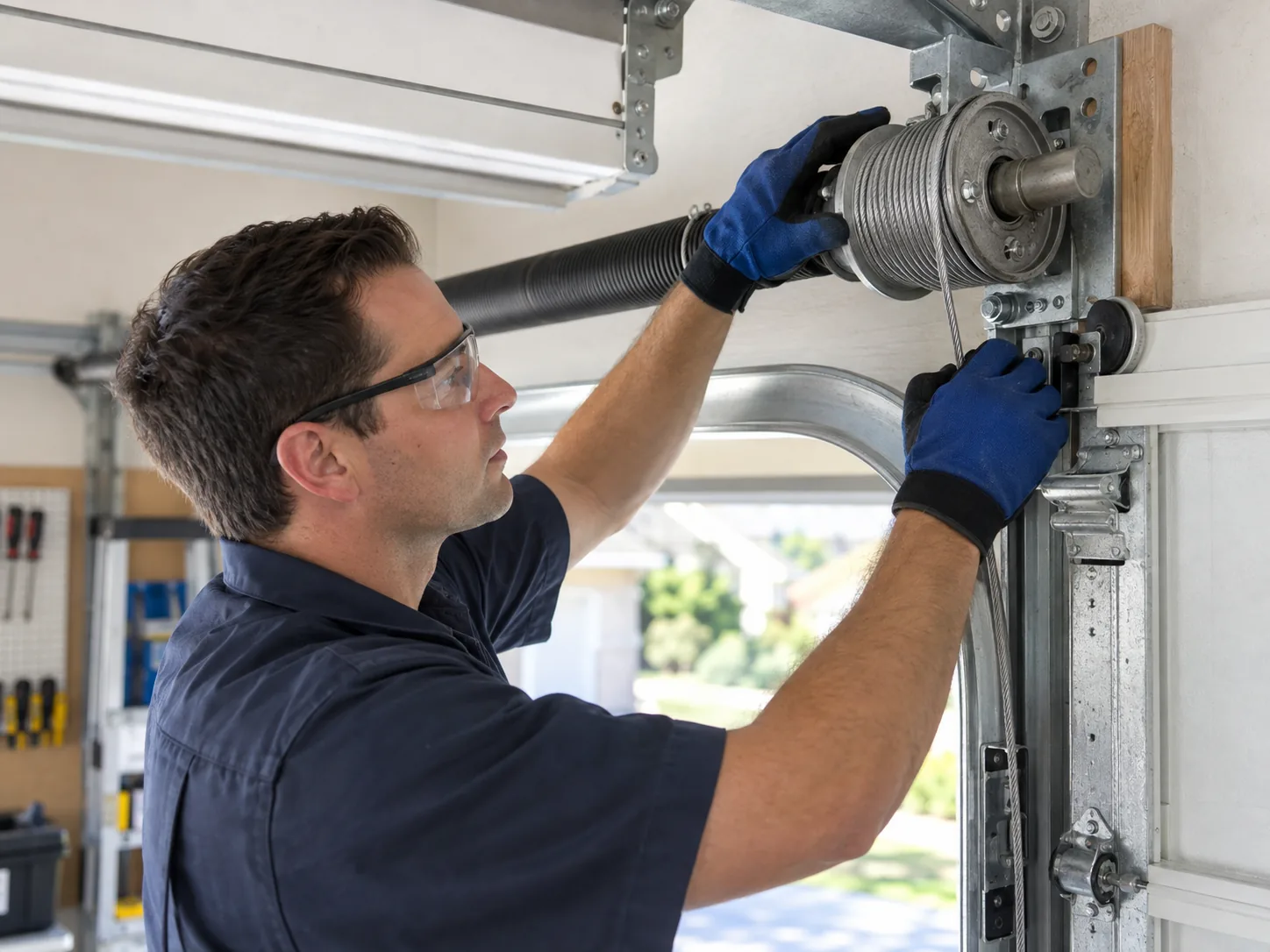
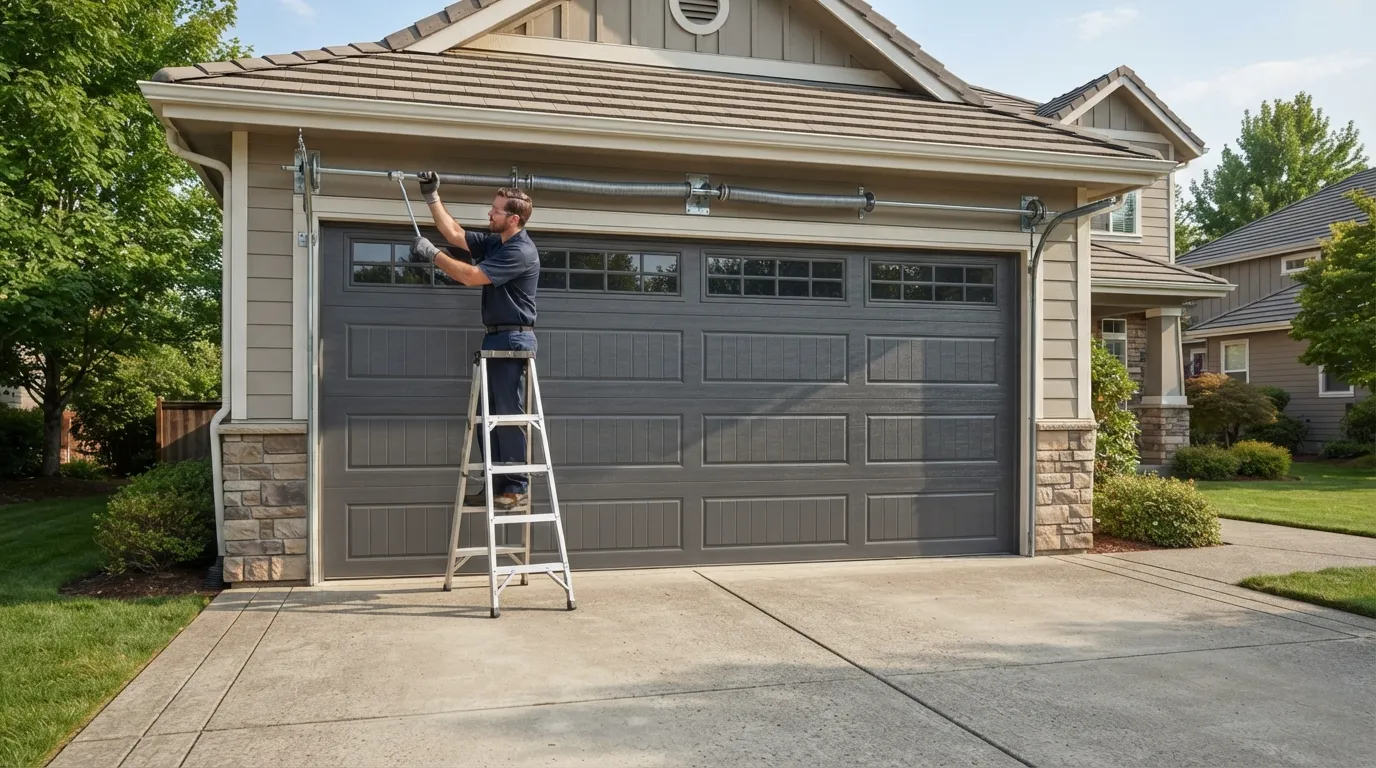
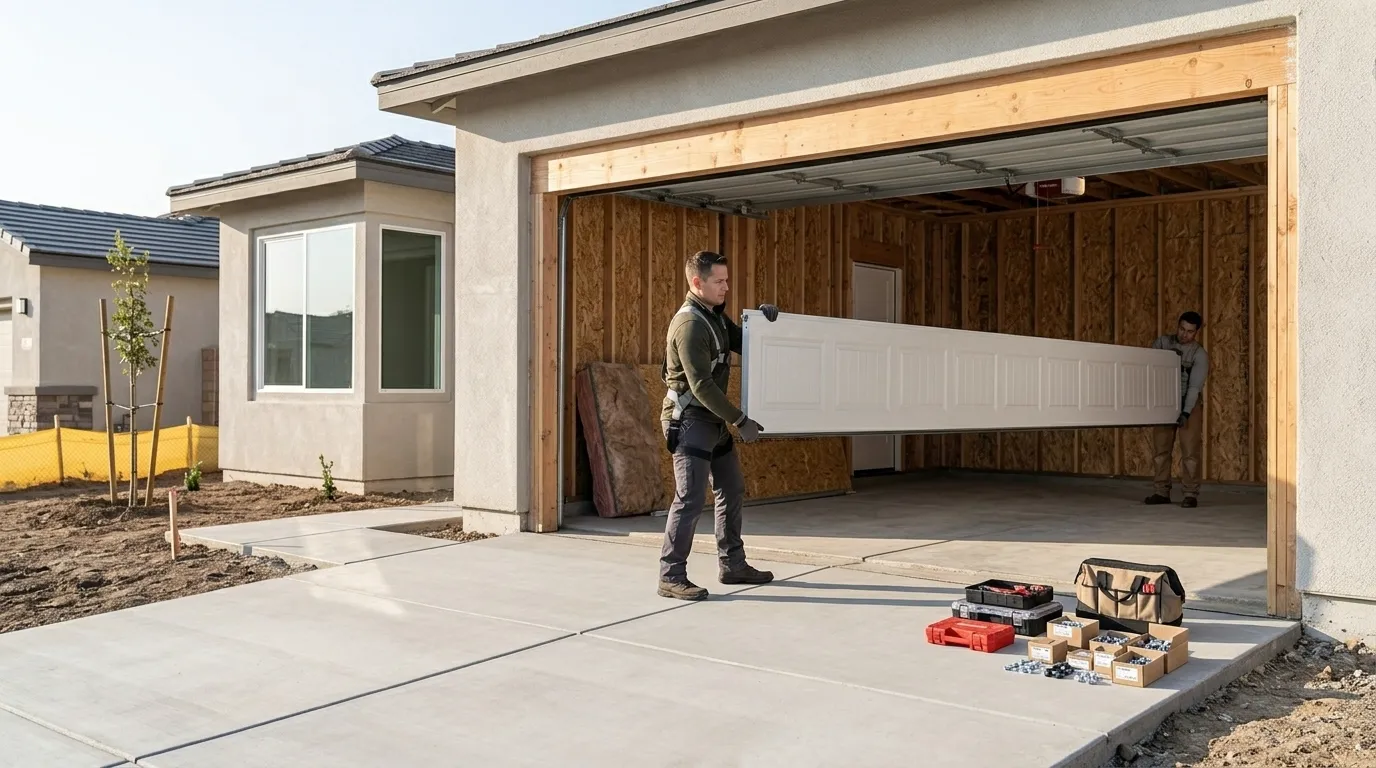
We stock standard torsion springs sized for 16-foot double doors and 8- or 9-foot singles, along with the steel roller tracks and nylon or steel rollers that fit openers from this era. That's the hardware most Stallings garages are actually running.

Extension Kits, Just in Case

Extension spring kits still ride along on the truck, because a handful of garages in this area skip torsion setups and run older side-mounted extension springs instead. Torsion is the clear norm here, but carrying both keeps us from getting caught without the right system.

Wall Buttons & Keypads

We carry the wall-button and keypad hardware that matches openers installed when these houses were new, since a lot of those original units are still in service two decades later. Matching original control hardware saves a trip back for a part.

What We Don't Load Heavy For

We don't load heavy for anything pre-1970s - no old-style flat-wound springs, no obsolete drum sets - because that's not the hardware this build era uses. If a job needs something genuinely unusual, that's a second trip, and we'll say so up front.

Symptoms

The Symptom

Houses here were built around 2002, which puts most original hardware somewhere past 20 years of cycling. Here's what that age curve actually looks like once a door starts acting up.

Heavy, Slow, or Stuck Doors

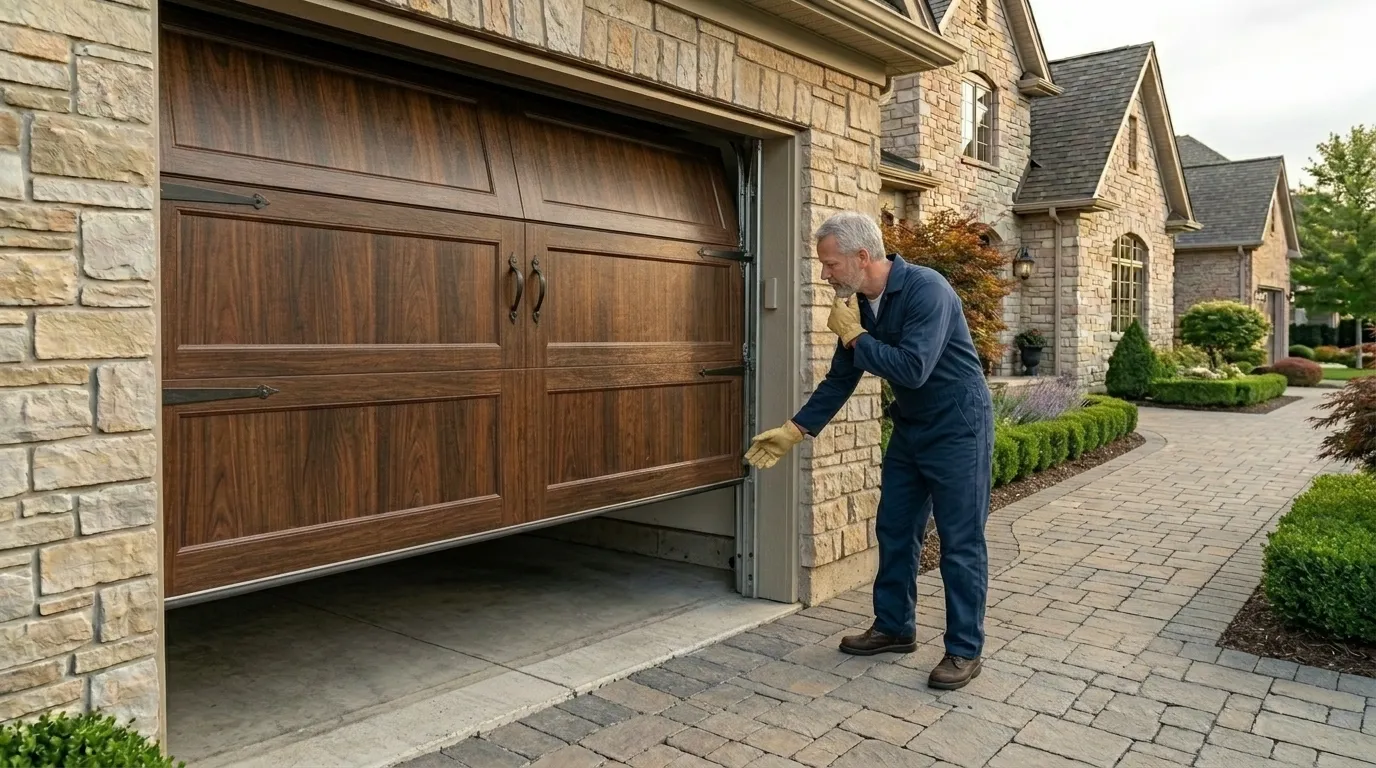
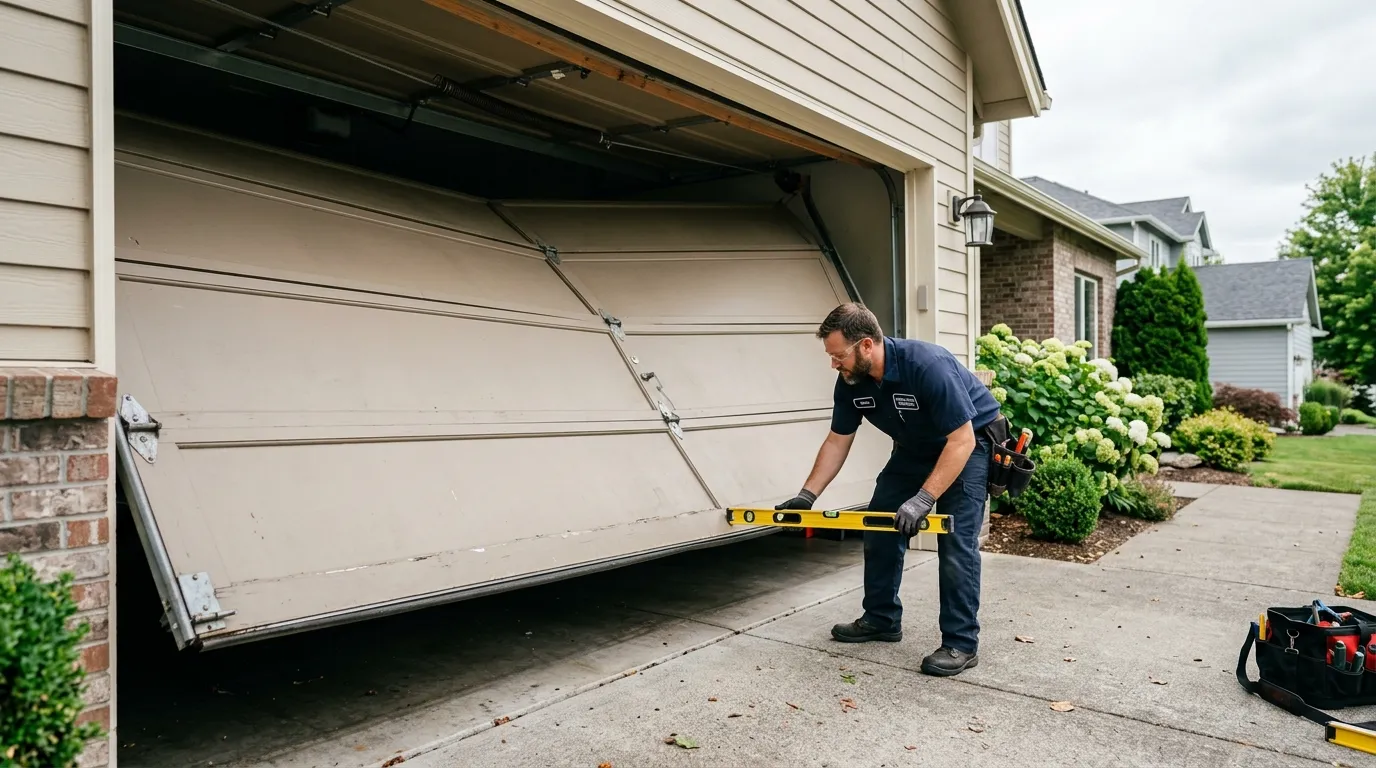
The most common call from this part of the territory is a door that's suddenly heavy, slow, or won't lift past a few inches - the classic sign of a torsion spring that's fatigued out. Most original springs here are past 20 years of cycling.

Fatigue, Not a Fluke

Springs are rated in cycles, not years, but a spring installed when the house was framed is well past the point where metal fatigue becomes the likely explanation rather than a one-off failure. At this age, that's the default suspect on any lift complaint.

Loud, Worn Rollers

We also hear about rollers that have gone loud, a grinding or popping sound as the door travels, which tracks with original nylon rollers wearing down after two decades of daily use. It's a wear pattern, not a defect.

Openers Reaching End of Life

Less common but real: openers from this build era reaching the end of their gear-and-sprocket life, which shows up as a motor that runs while the door doesn't move. It's just hardware installed in the early 2000s hitting its natural service life.

The Complications

Watch-outs

The Complications

This territory sits in a cold-moderate climate band, and that shows up in how springs and tracks behave through the year - metal contracts in cold snaps and tightens tension right when a homeowner is least expecting a snap. It's not a dramatic weather story, just a steady seasonal swing that shortens spring life a little faster than it would in a warmer region. The other complication is income-driven rather than weather-driven: with a median household income around $106,074 here, noticeably above the roughly $94,390 median across the rest of the service area, more garages in Stallings carry higher-spec doors - insulated steel panels, battery-backup openers, smart keypads - than the older, simpler setups we find closer to the center of the territory. That's good news and bad news. Good, because insulated doors hold up better. Bad, because backup battery packs and smart openers add a part that has to be diagnosed correctly before we touch the spring or cable at all, since a dead battery can look like a mechanical fault until you check it.
DIY or pro

The DIY Question

Not every garage door issue needs a call. Here's how to sort what's safe to handle yourself from what genuinely isn't, in the order most homeowners actually run into it.

  1. Handle the Safe Repairs

    A dented panel, a bent bottom seal, or a loose bracket you can see and reach safely are fair for a homeowner to tackle if you're comfortable with a ladder and a screwdriver. None of that involves stored tension.

  2. Watch a Noisy Roller

    A slightly noisy roller that isn't affecting how the door runs is a maintenance item, not an emergency. Grease it yourself and keep an eye on it rather than calling it in right away.

  3. Stop for Springs and Cables

    A torsion spring is wound under enough tension to break a hand or worse if it lets go mid-repair, and that risk doesn't change because the house is only 20-some years old instead of 60. Cable replacement carries the same warning.

  4. Call When the Opener Fights the Door

    Any job involving the spring, the cable, or an opener that's fighting the door rather than lifting it cleanly means stop and call. That's genuinely the point where a small mistake becomes an ER visit.

Questions

Common questions

How far out is Stallings from your shop?

About 12 miles from our Charlotte location. We don't keep a branch in Stallings, so every visit is a scheduled trip from Charlotte rather than a walk-up call, which is why we ask for a booked window instead of a same-hour promise.

Why do so many houses in Stallings have the same spring problem around now?

Most homes here went up around 2002, so original torsion springs are past two decades of daily cycling. Spring life is measured in cycles, not years, but that age puts a lot of Stallings garages right at the point where fatigue failure becomes likely rather than unusual.

Do you carry parts for older, non-torsion doors in Stallings?

We stock mostly for the torsion setups and steel doors common to this build era, plus extension kits for the handful of garages that use them. Anything genuinely older or unusual may mean a second trip, and we'll tell you that up front rather than guess.

Is a battery-backup opener harder to diagnose?

It adds a step. More Stallings homes have battery-backup or smart openers than the rest of our territory on average, and a dead backup battery can mimic a motor or gear fault. We check the battery first so we're not chasing the wrong problem.

Ready when you are

Need a garage door sorted in Charlotte?

Charlotte Garage Door Pros repairs and installs garage doors, springs and openers in Charlotte, NC and the surrounding area.

Certified Experts Quality Assured
CallGet a quote