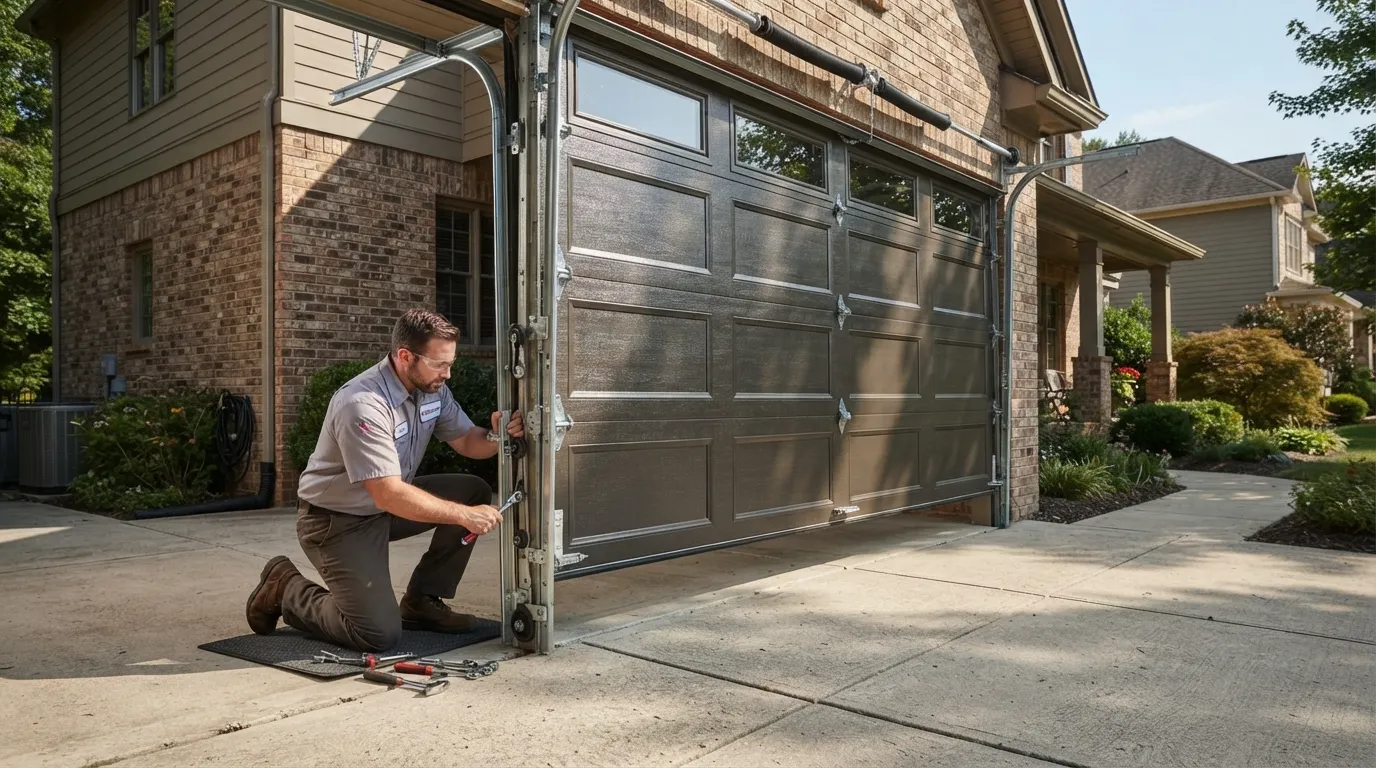
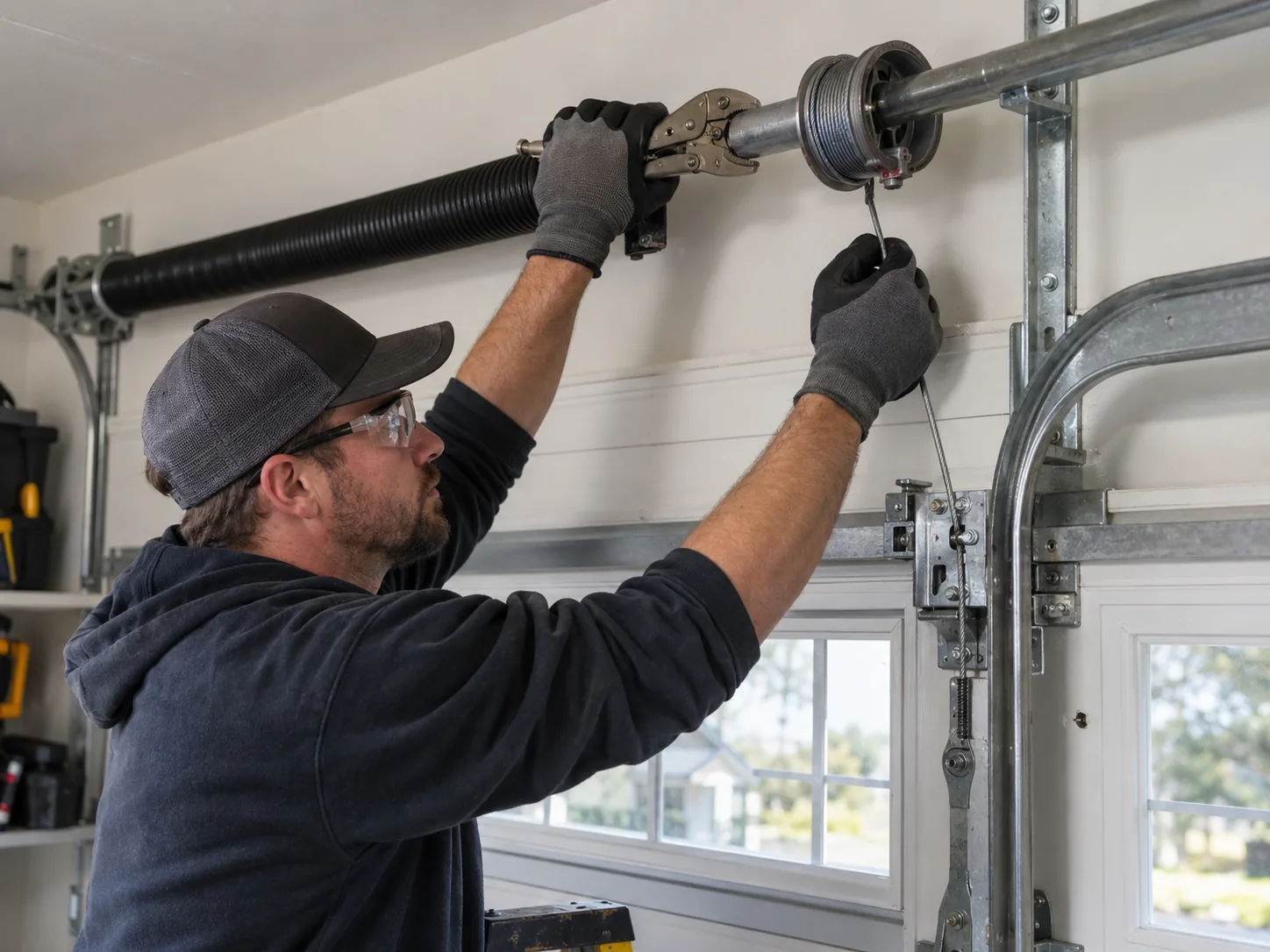
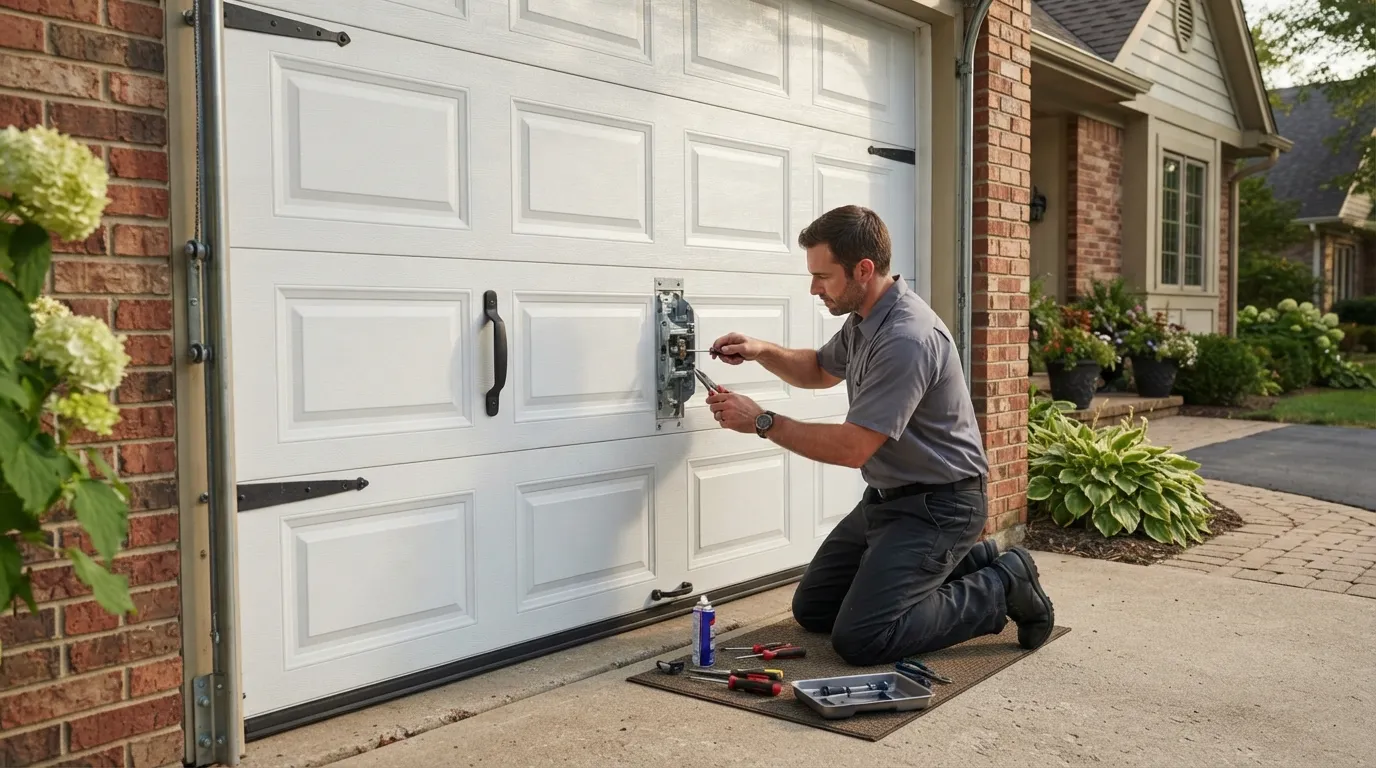
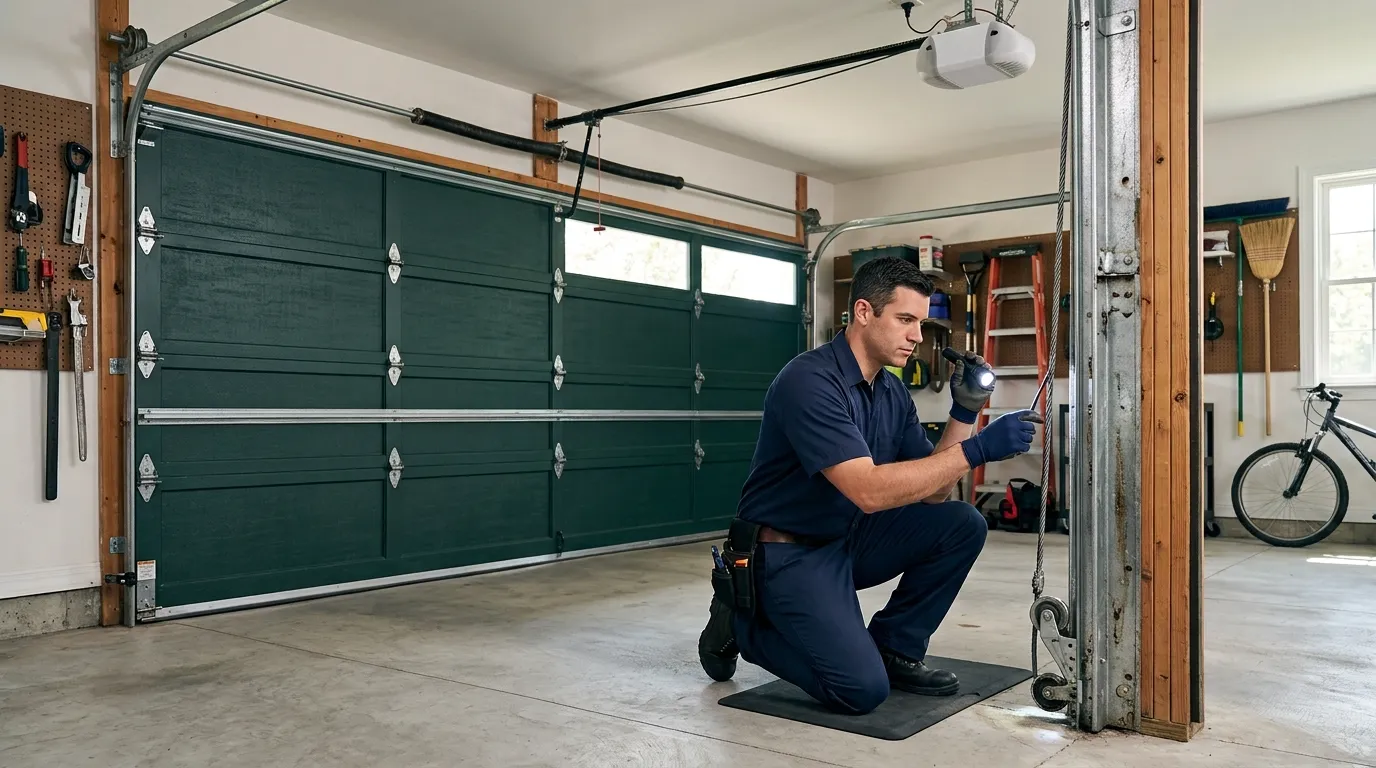
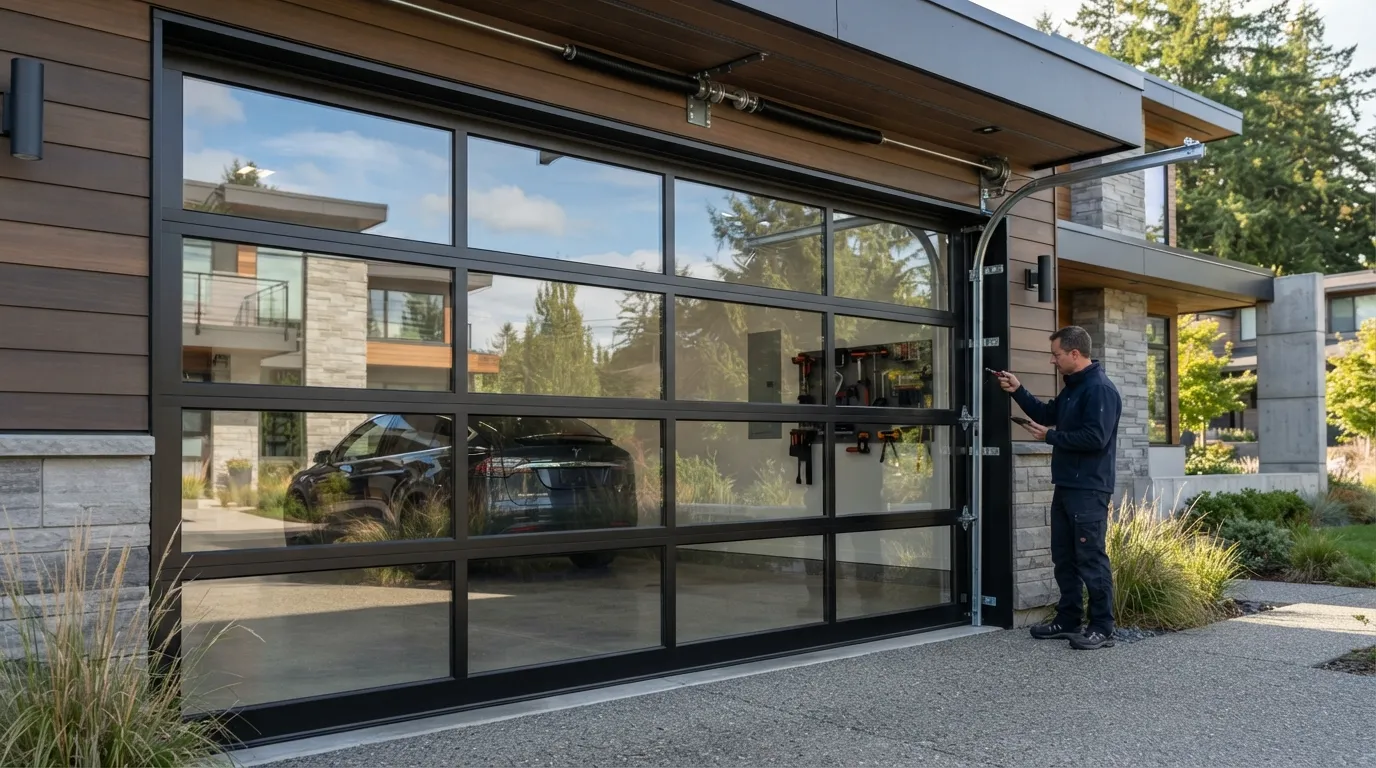
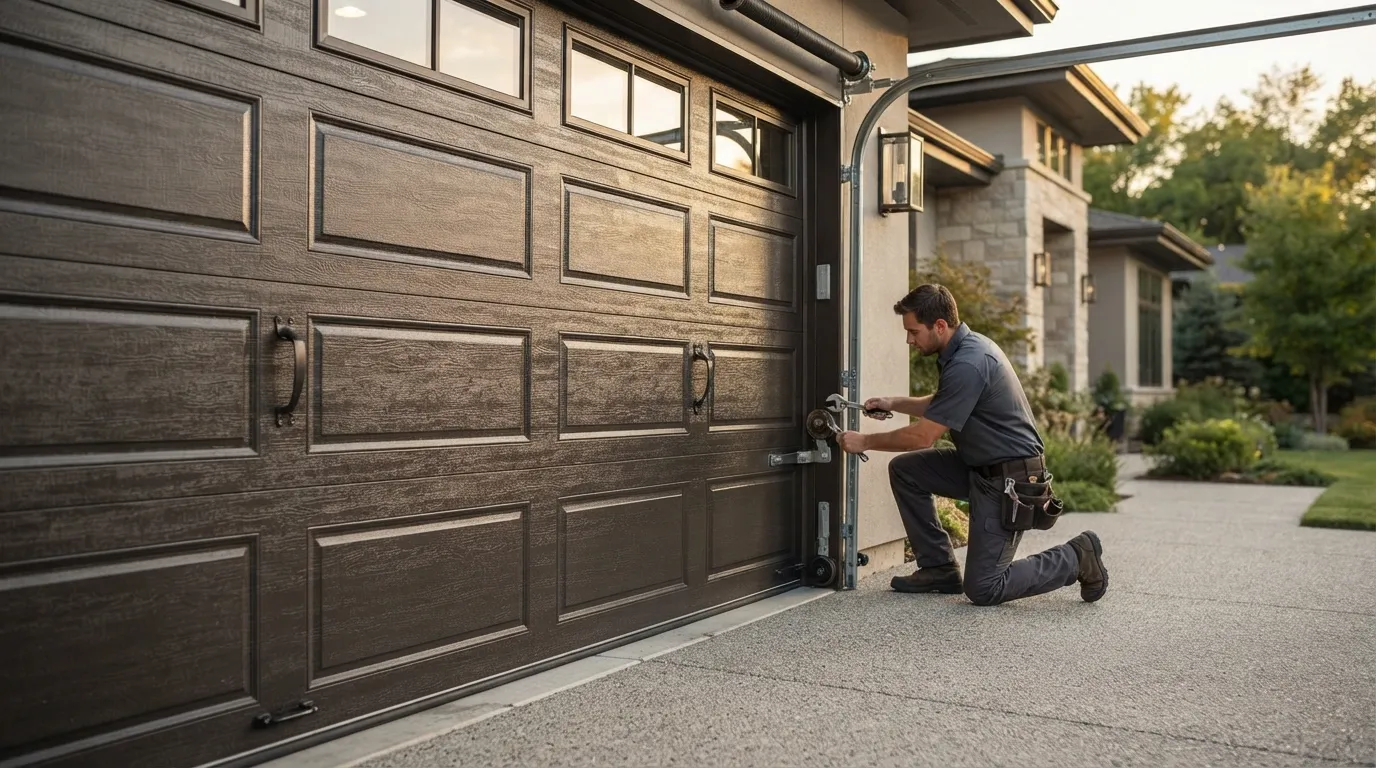
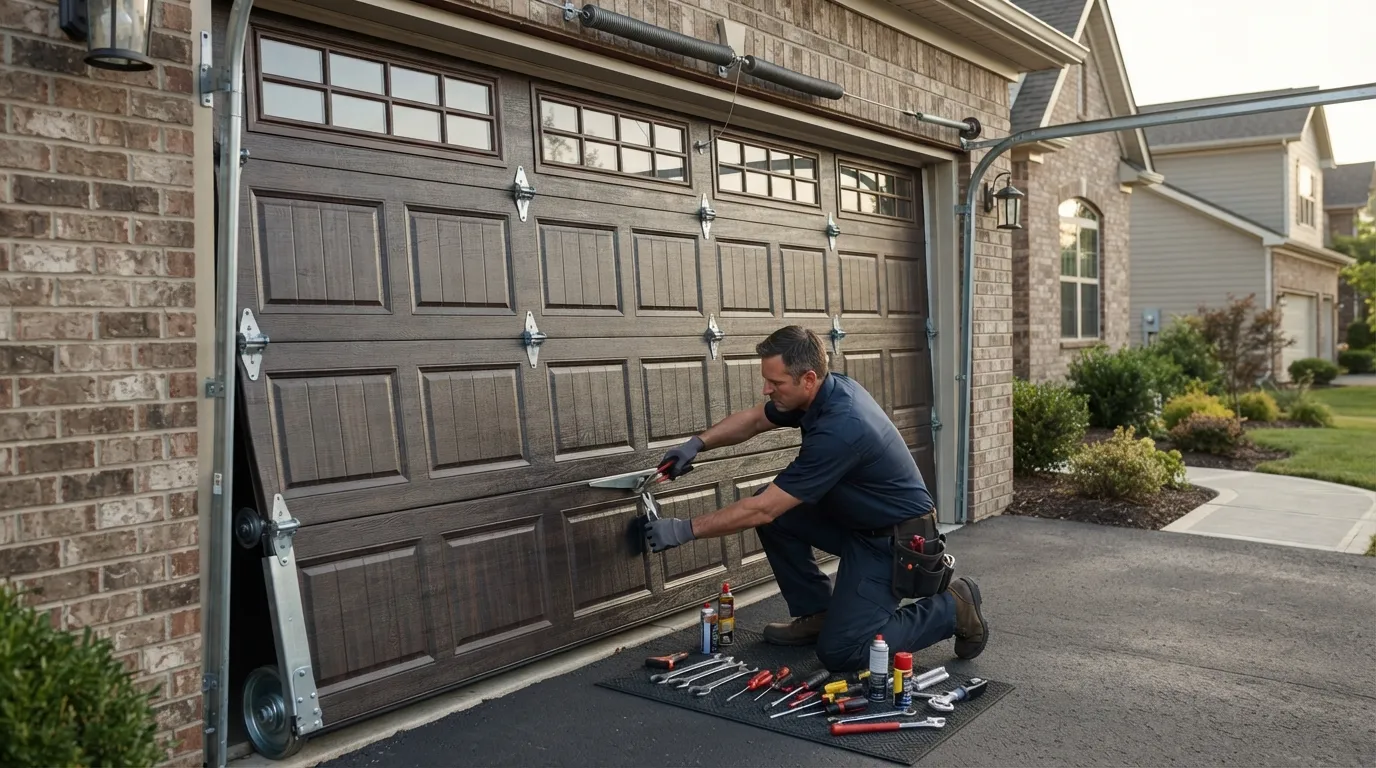
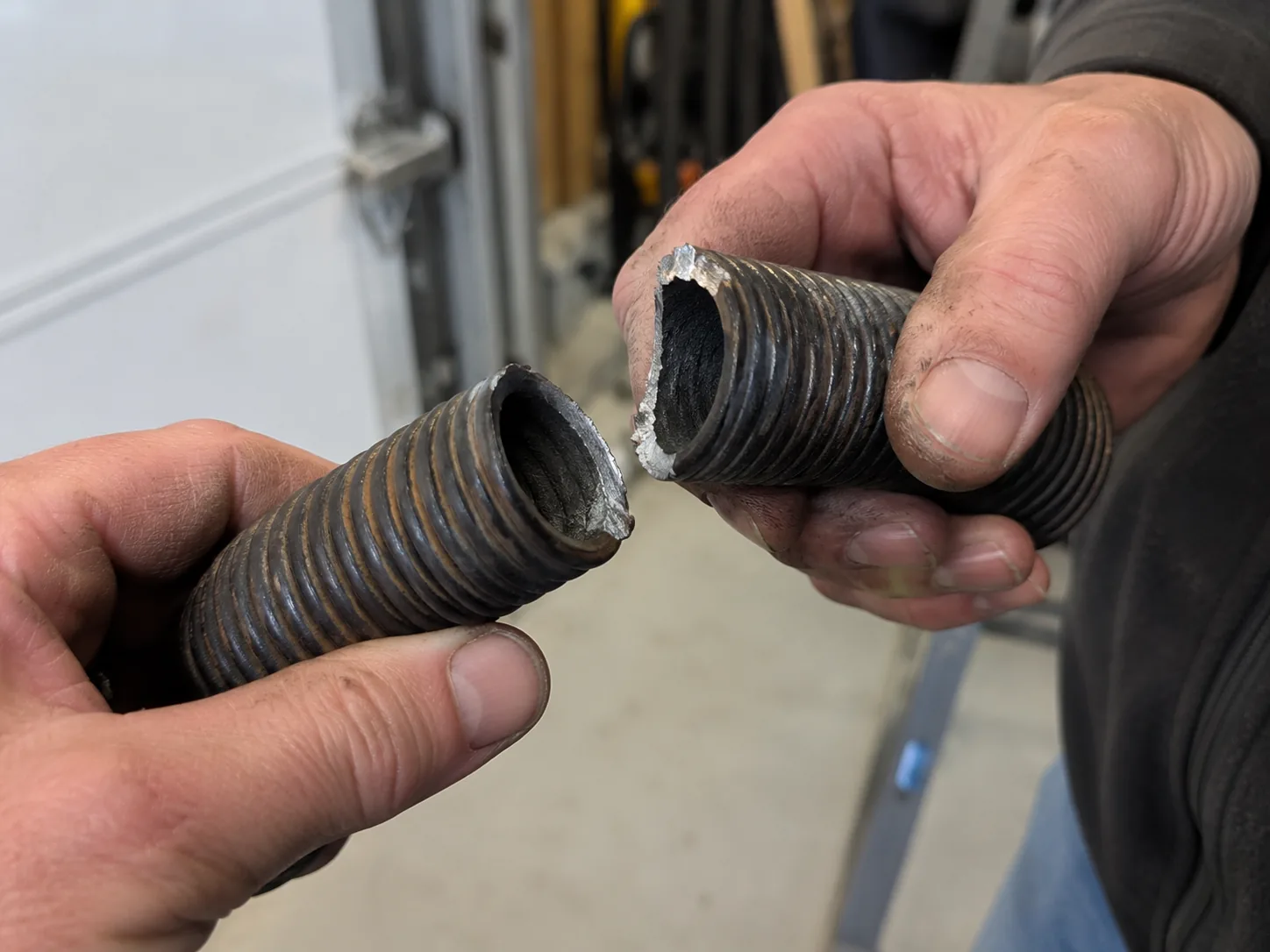
The failure pattern in Mint Hill tracks the building stock. A door installed around 1991 has had roughly three decades of open-close cycles on torsion springs that were never rated for commercial cycle counts in the first place - a lot of these bays got residential-grade hardware because that's what was available and cheaper at the time. Under commercial use, that spring wears out faster than the building around it ages.
With median household income at $99,272, above the $94,390 figure for the broader area, we don't see as many buildings run into the ground before someone calls. What we see instead is deferred maintenance rather than neglect - a door that's been a little off for a year, finally seized or slammed hard enough to bend a track.
The smaller household count, 10,194, also means the commercial footprint here is lighter than in denser parts of the service area - fewer multi-bay warehouses, more single-door retail and shop fronts. That shapes the work: less time spent coordinating around multiple doors on one building, more single-door jobs where the whole business is waiting on one opening.