Charlotte, NC
Garage Door Repair Across Charlotte
Garage door repair for Charlotte homes built 1967-2011, from Dilworth to Myers Park. We fix springs, openers, and tracks strained by cold-moderate winters.
- Garage Door Repair
- New Door Installation
- Springs & Openers
What we do
Garage door work in Charlotte
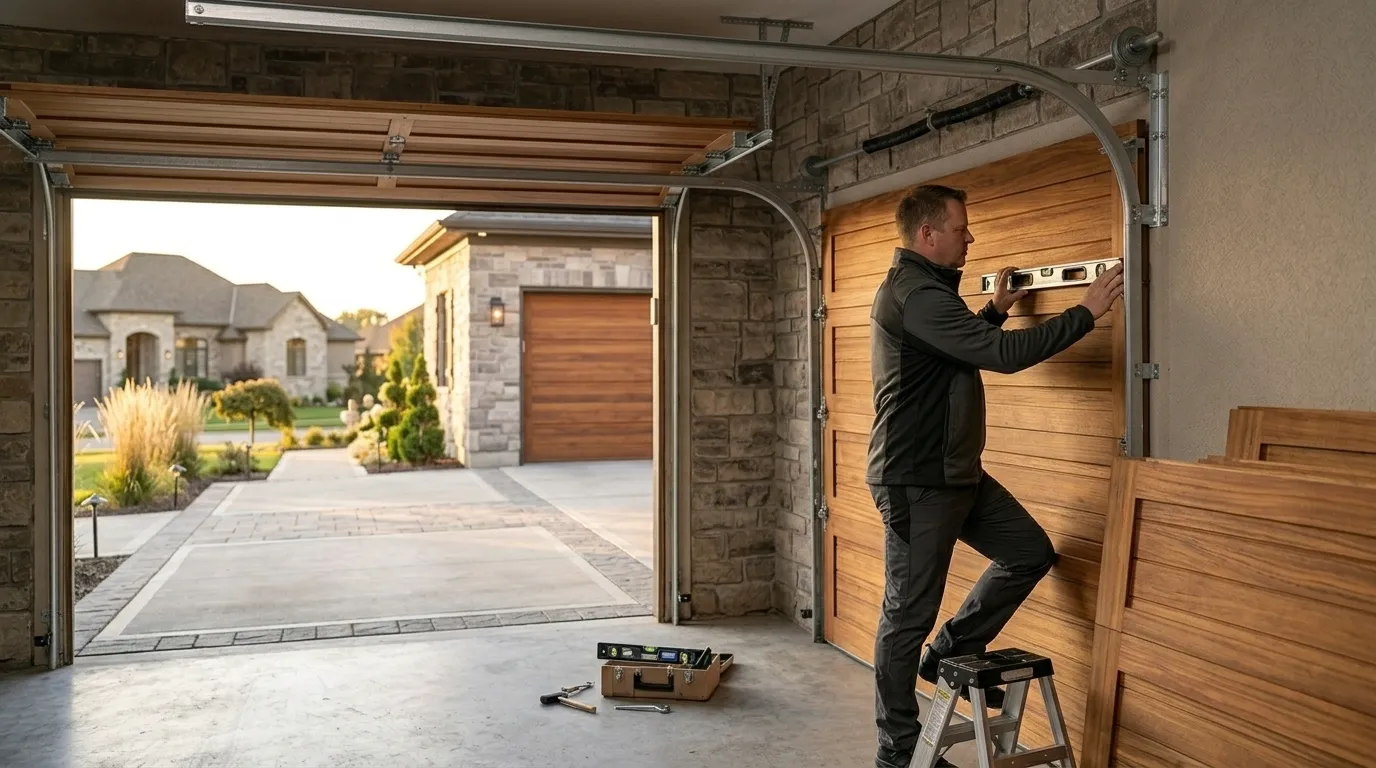
Garage Door Installation for Charlotte Homes
Charlotte homes span 1967 to 2011 construction, so garage door sizing and insulation needs vary block to block. Learn more →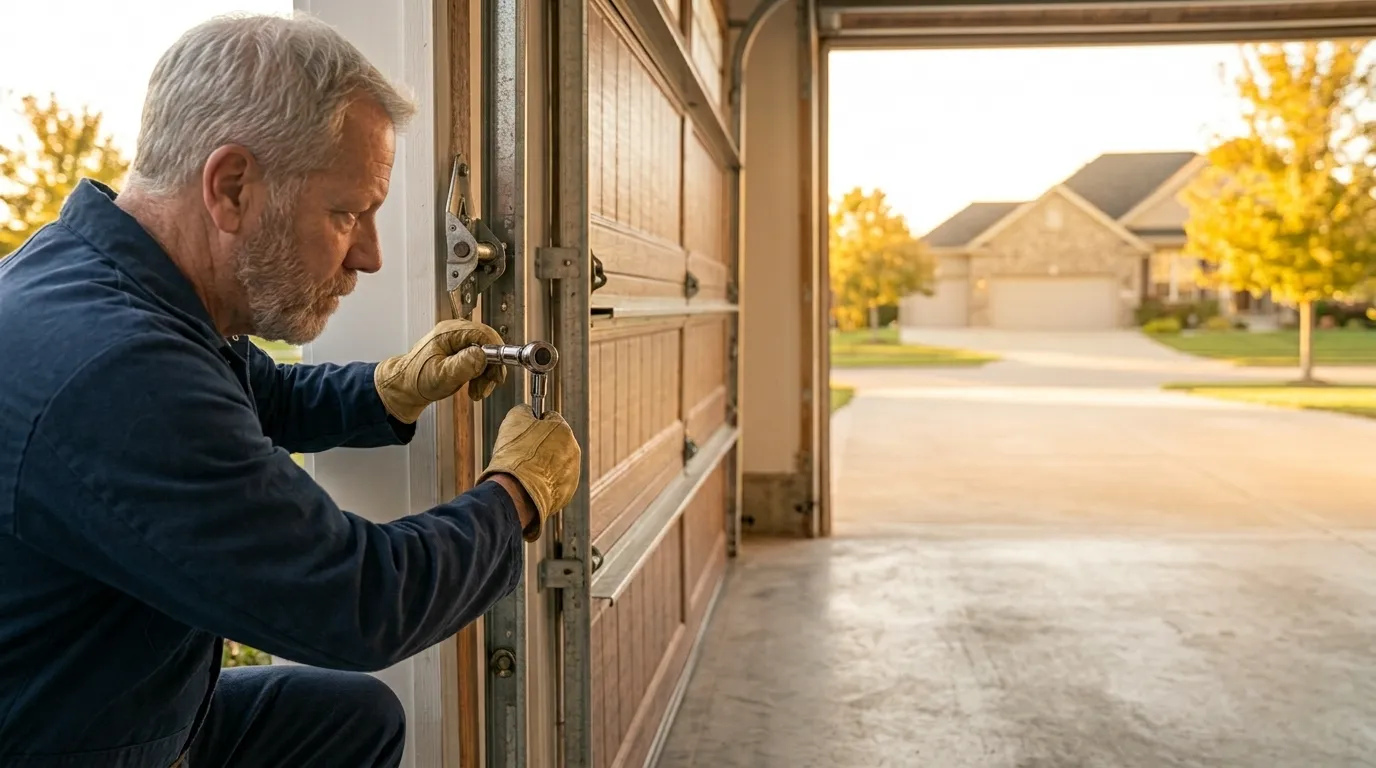
Garage Door Service Built Around Charlotte's Housing Stock
Charlotte homes built between 1967 and 2011 carry original hardware that wasn't made for our swing seasons. Learn more →Local detail
Time on the Job
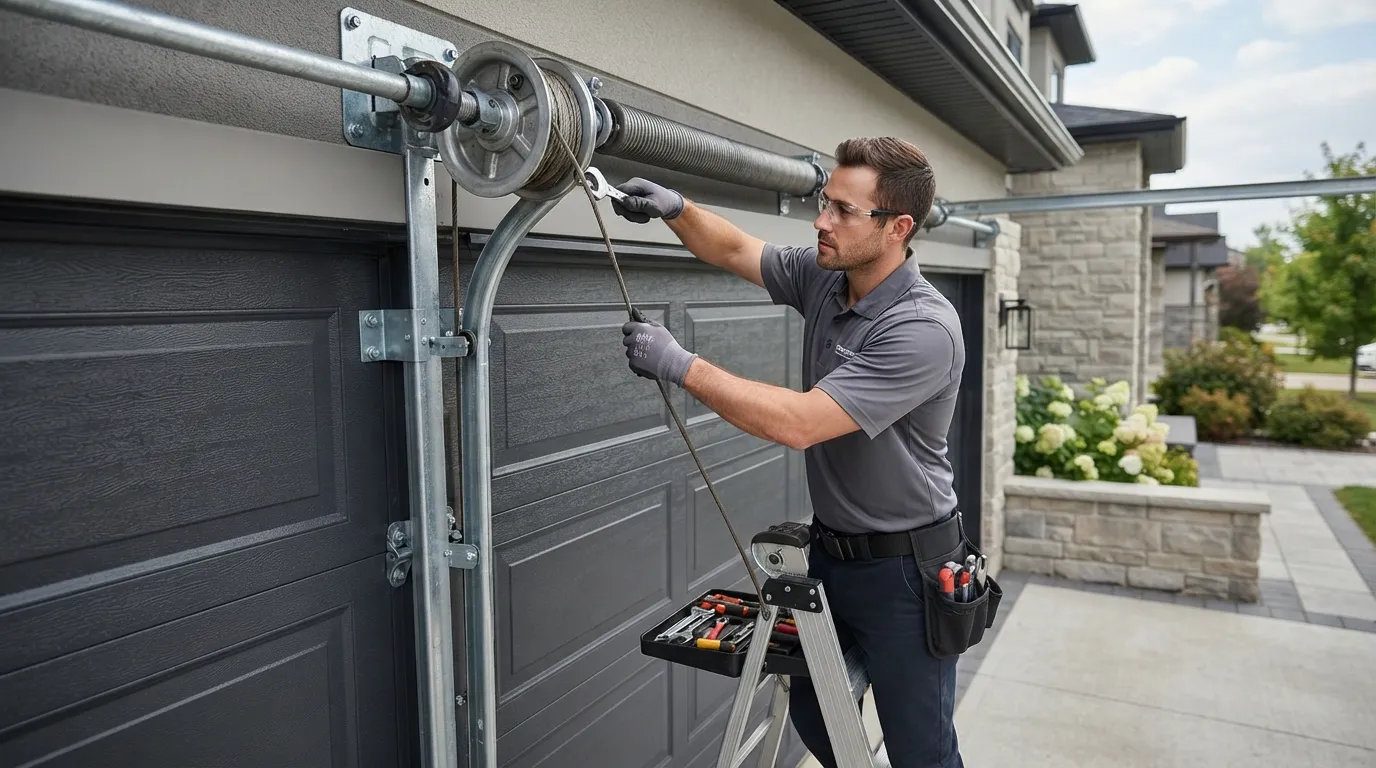
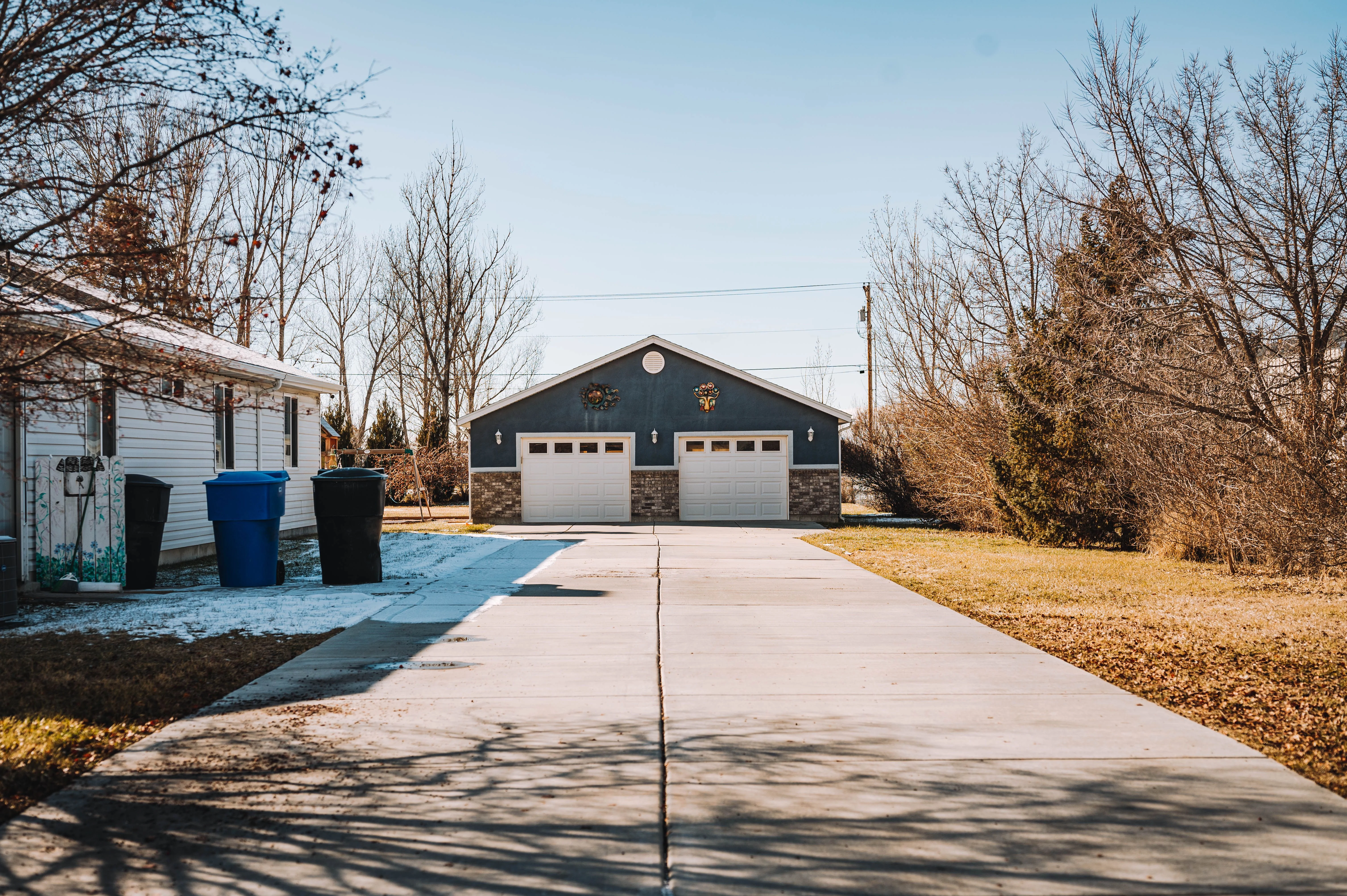
We work calls across Charlotte's close-in neighborhoods - Elizabeth, Dilworth, Myers Park, Cotswold, Fourth Ward - and out toward the edges of the service area near Pineville and Mint Hill. Most of the doors we touch went in somewhere between 1967 and 2011, with the bulk of that stock dating to the early 2000s. That range matters more than it sounds like it should: a torsion spring rated for 10,000 cycles installed in 2002 is well past its expected life by now, and a door from the 1970s often still has the original galvanized track, not the aluminum sections builders use today. When we show up, we're not guessing at the age of the hardware - we know what era of parts we're likely to find before we open the truck.
A repair call here is rarely a single fix. Spring failure on a door that old usually means the rollers are worn too, and the opener - if it's original - may be near the end of its own service life. We diagnose the whole system on the first visit rather than patching the one symptom you called about, because on a house this age, the second failure is often weeks away, not years.
The area
The Symptom
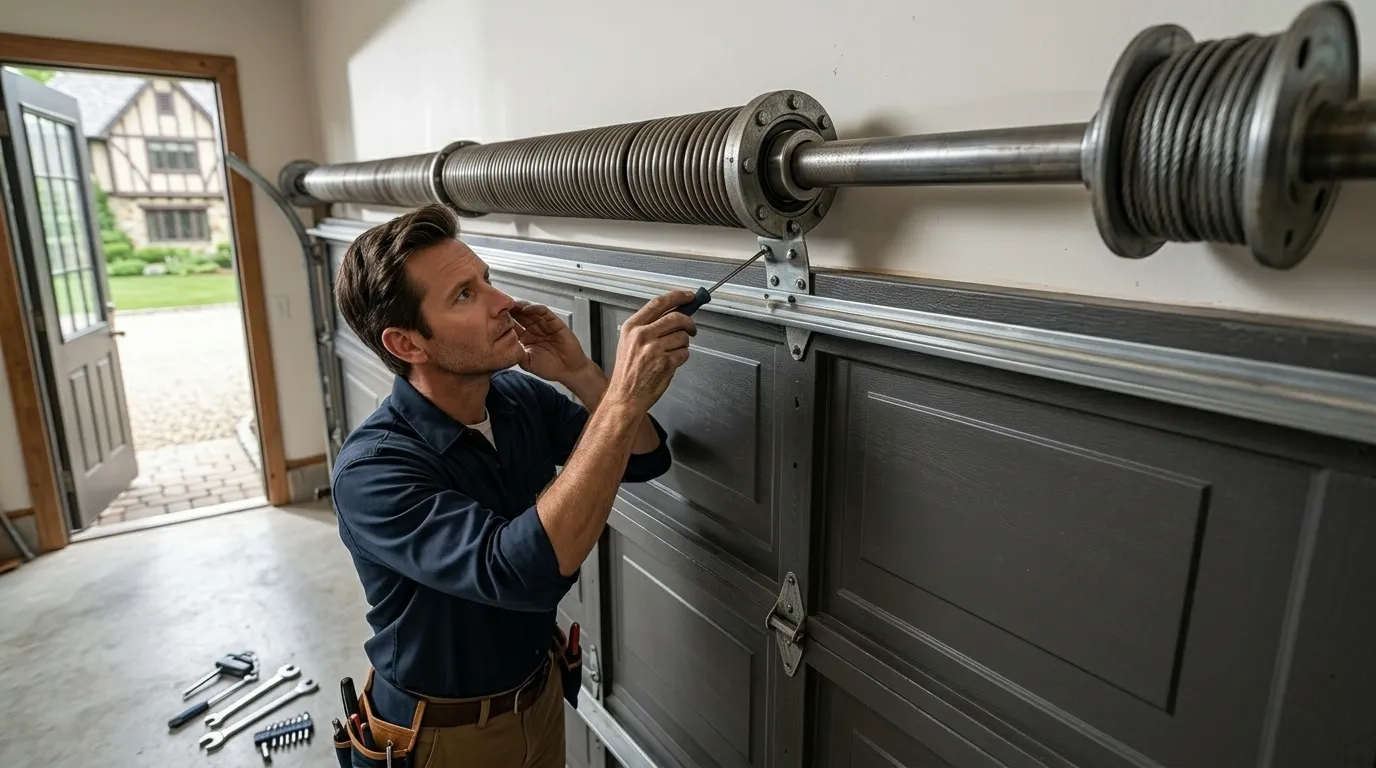
The complaint we hear most: the door won't open, or it opens partway and stops. Sometimes there's a loud bang from the garage first - that's a torsion spring letting go, and on a double door installed in the early 2000s that's almost always a single-spring setup carrying weight it was never over-built for. Other times it's a slow, grinding start, which points to a spring that hasn't broken yet but is close, especially after a cold snap.
Charlotte sits in a cold-moderate band, not a deep-freeze one, but we still get enough swings - cold nights followed by 50-degree days - to stress steel that's already fatigued. That temperature cycling is the second half of why an aging spring fails now instead of next summer. Metal contracts, torque changes slightly, and a spring sitting at 90% of its rated cycles finds the last 10% on a cold morning.
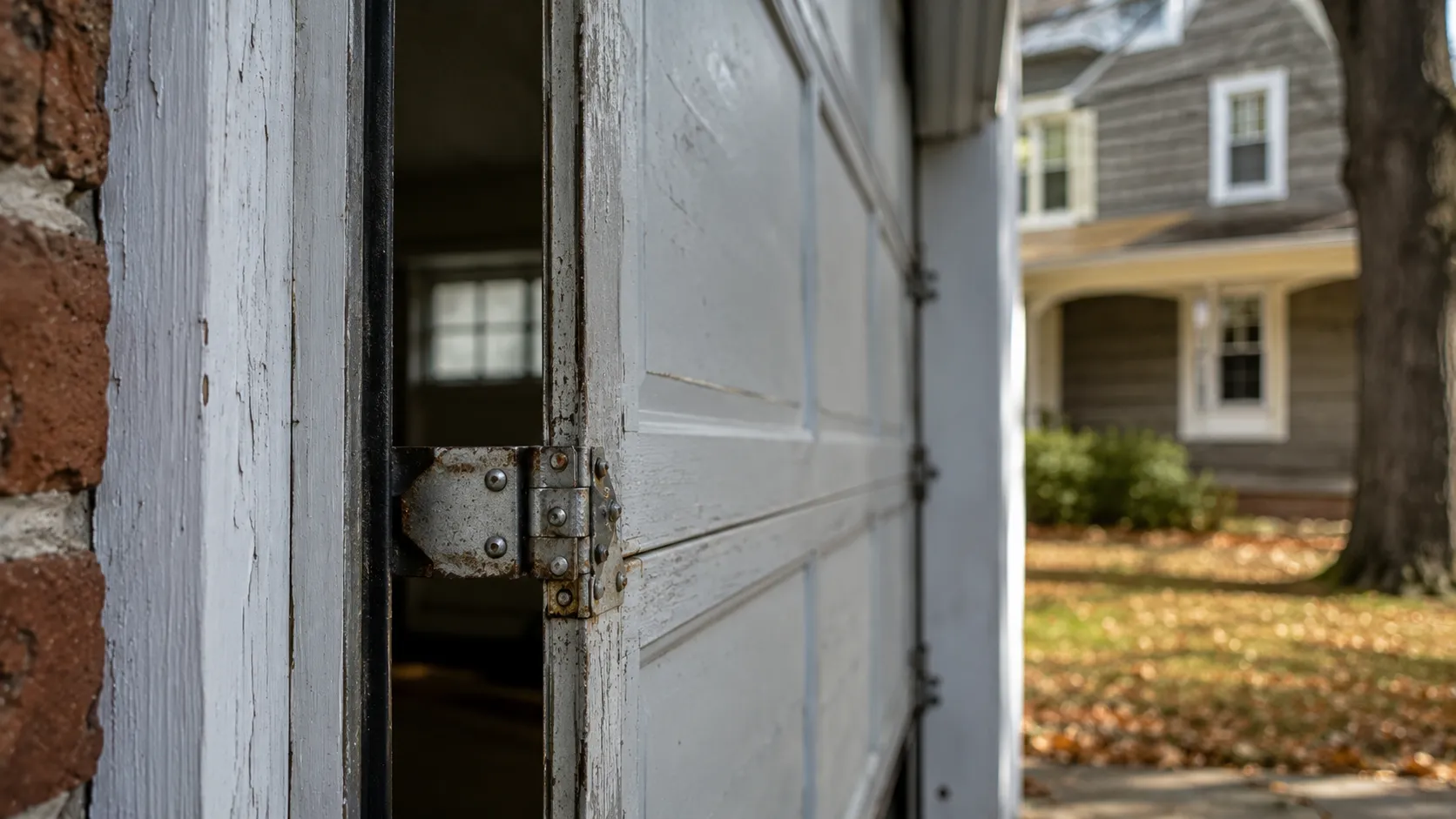
We also see cable fraying at the bottom bracket on doors with the original hardware, and opener gears stripped from years of a spring doing more of the lifting than it should. None of this is dramatic to diagnose. It's mechanical, it's visible once the door is open manually, and it's consistent with what a house this age should be showing by now.
What we find
The DIY Question
A torsion spring is not a DIY repair, full stop - the spring is wound under enough tension to cause serious injury if it lets go while you're working on it, and that doesn't change no matter how good you are with tools. That's the one place we'll tell you to call rather than watch a video.
What you can reasonably do yourself: check that the track is clear of debris, look at the rollers for visible cracking, and test the auto-reverse safety feature by placing a 2x4 under the door and closing it. If the door doesn't reverse, stop using it and call. You can also lubricate hinges and rollers with a garage-door-specific lubricant, not household oil, which attracts grit and does more harm than good over a Charlotte summer.
Where we'll be straight with you: if your opener is original to a house built in the early 2000s, replacing just the gear kit sometimes isn't worth it. Parts for that generation of opener are getting harder to source, and a new opener with a battery backup often costs about the same as a rebuild by the time labor is factored in. We'll tell you which side of that line your unit falls on rather than sell you a rebuild you'll be redoing in a year.
How we work
Why This Fails Locally
Put the three facts together and the pattern is obvious once you see it. Charlotte's housing stock in this service area is concentrated in a 1967-2011 window, with most of it dating to the 2000s across the named neighborhoods and towns we cover - meaning a huge share of doors are hitting spring end-of-life at roughly the same time, not spread evenly across decades like you'd see in an older or newer market. Layer on a cold-moderate climate that still delivers enough freeze-thaw swing to stress fatigued steel, and you get failures clustering in late fall and early spring rather than randomly through the year.
This isn't a Charlotte-specific defect or a builder shortcut - it's just what happens when a lot of the same-era hardware ages out under the same weather pattern at the same time. A house in Dilworth built in 1998 and one in Cotswold built in 2004 are running the same spring math on slightly different clocks. That's why we see the same failure mode call after call in this area, rather than the scattered mix of issues you'd expect somewhere with a more varied build history.
Questions
Common questions
Why do garage door springs keep breaking on my Charlotte house?
Most homes in this area were built between 1967 and 2011, with a lot of that stock from the early 2000s. Torsion springs are rated for a set number of cycles, and houses from that era are now hitting that limit around the same time, especially after temperature swings that come with our cold-moderate climate.
Can I replace a torsion spring myself?
No. A torsion spring is wound under heavy tension and can cause serious injury if it releases while you're working on it. This is the one repair we'll always tell a homeowner to call for rather than attempt, regardless of general handiness.
Is it worth repairing an opener from a 2000s-built house?
Sometimes not. Parts for that generation of opener are getting harder to find, and a gear rebuild can cost close to a new opener with battery backup once labor is included. We'll tell you honestly which option makes more sense for your specific unit.
Do you work outside central Charlotte?
Yes, we cover the surrounding service area including Pineville, Mint Hill, Stallings, Belmont, and Mount Holly, along with the close-in neighborhoods like Dilworth, Elizabeth, and Myers Park.
Ready when you are
Need a garage door sorted in Charlotte?
Charlotte Garage Door Pros repairs and installs garage doors, springs and openers in Charlotte, NC and the surrounding area.