
Rollers, brackets & lift cable
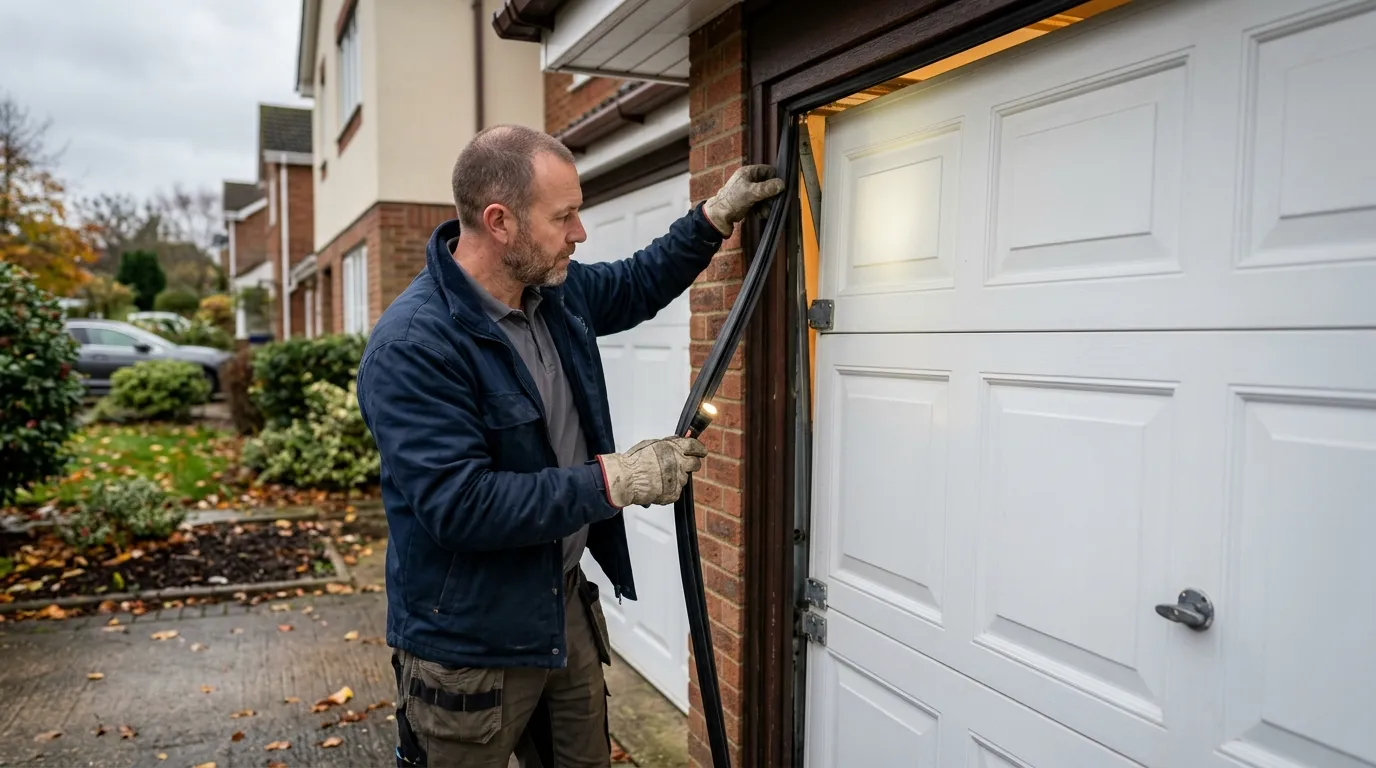
The truck carries nylon and steel rollers in standard sizes, replacement bottom brackets, lift cable, and the track sections that bend when a door comes off its rail hard enough to warp the metal.
Harrisburg, Charlotte
Harrisburg homes went up mostly around 2006, so the rollers and cables now failing are original to the build. We drive out from Charlotte, 12 miles away, to reset the track.
The repair
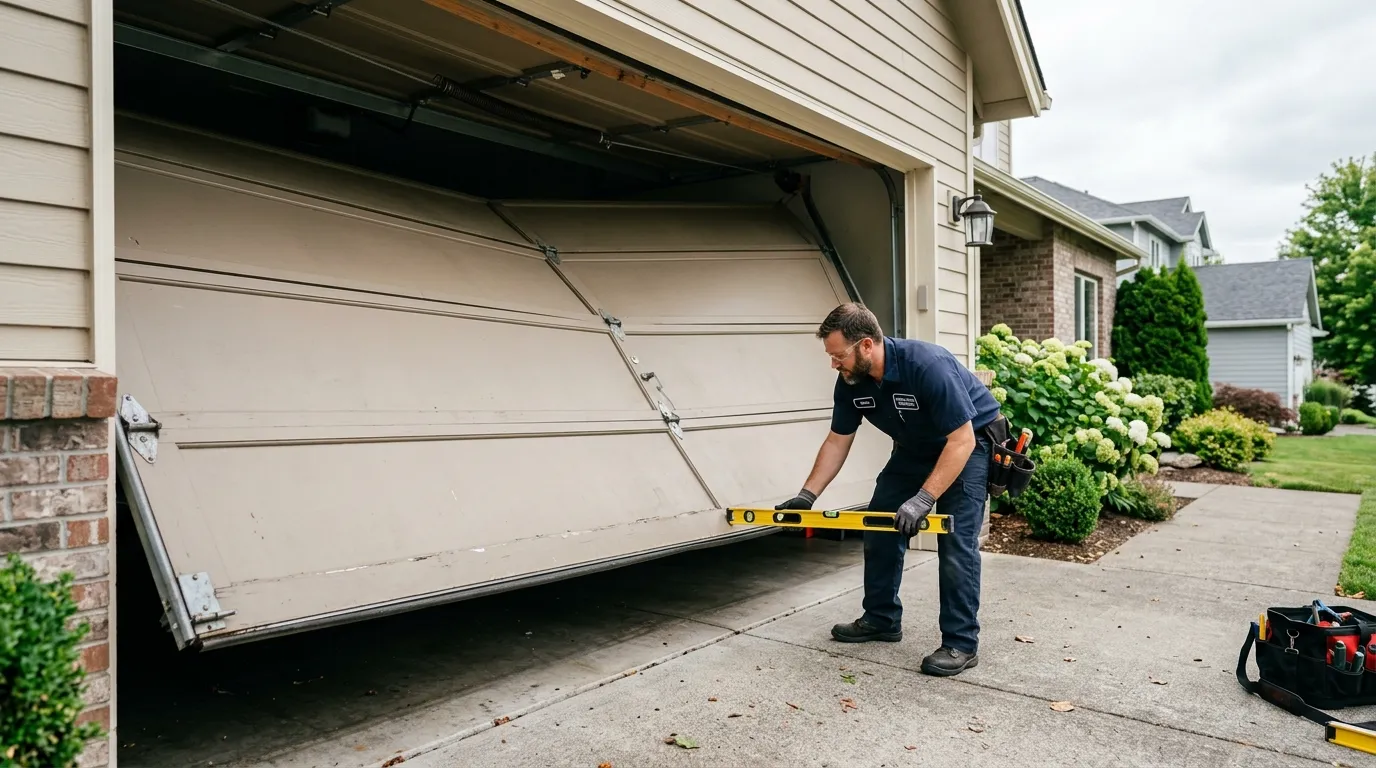
Most of Harrisburg went up around the median build year of 2006, and that matters more than it sounds like it should - a door that's never been touched since the house was framed still has its original rollers, brackets, and often its original cable. Here's how we work the fix.
Nineteen years of opening and closing wear down nylon rollers until they start to bind sideways in the track instead of rolling straight through it. That's the most common way a door jumps track out here - not a dented panel, not a car backing into it, just plastic rollers that finally gave out.
The fix starts with figuring out why the door left the track before we put it back, rather than just lifting it back onto the rail and moving on.
If a roller shattered, we pull the whole roller set rather than replace one and leave eighteen more from the same year to fail next month.
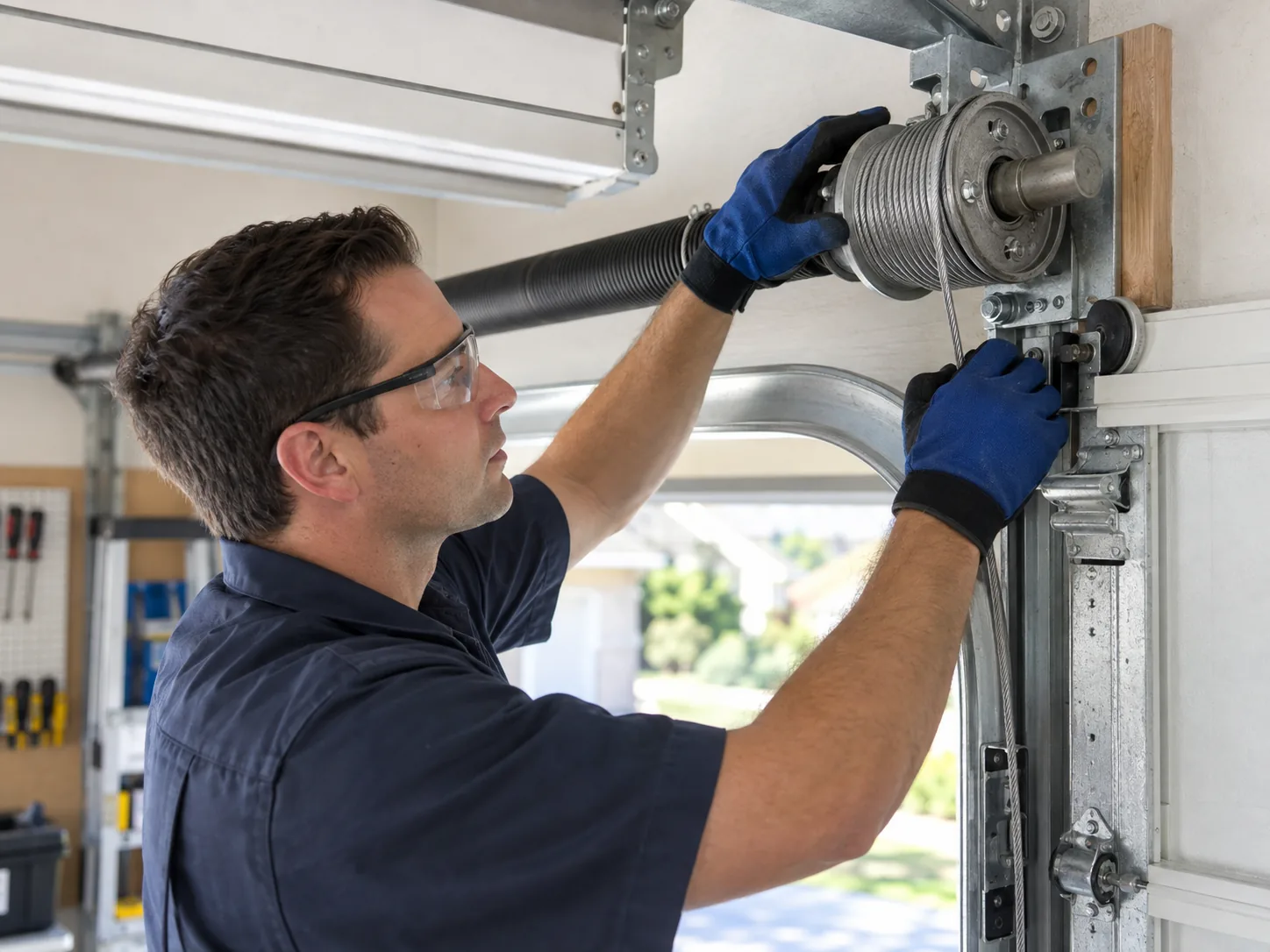
If a cable frayed and let one side of the door drop, that's a different repair - the drum and cable get inspected together, not just rehung.
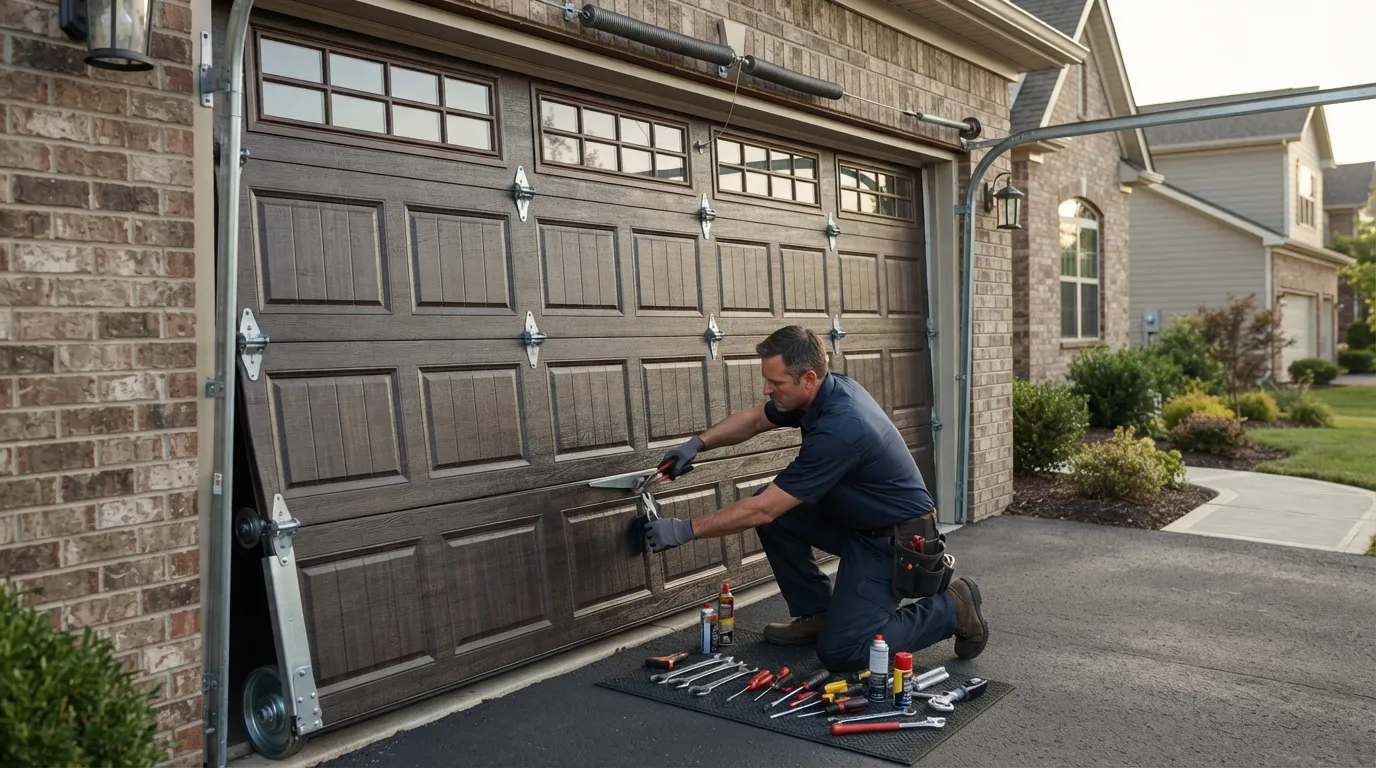
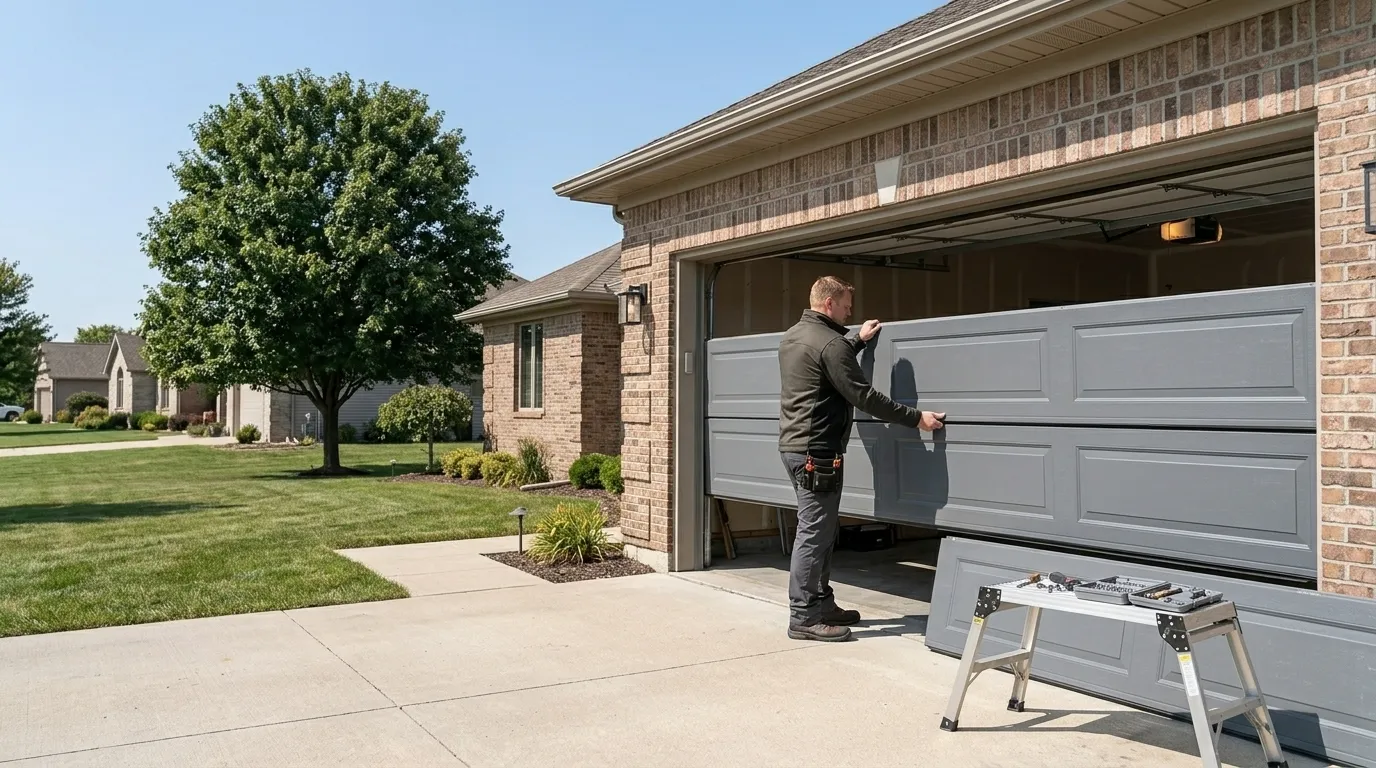
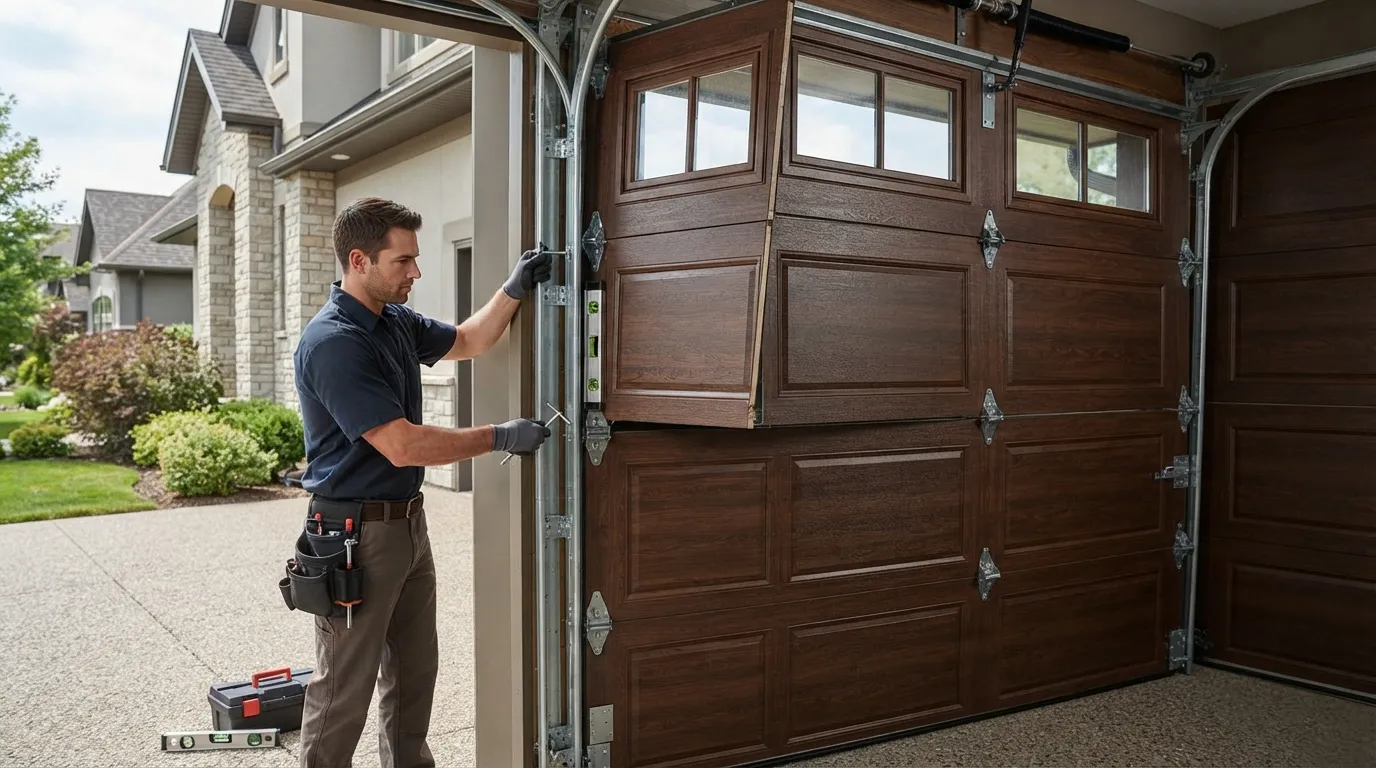
We reset the door in the track, check both vertical rails for the bend that usually caused the jump in the first place, and test the balance before we call it done. We also check what's original versus already replaced since 2006, since that changes the diagnosis, and a door shoved back on wrong will jump again within weeks.
Job timing
An off-track call in Harrisburg is a drive first - it's about 12 miles out from our Charlotte base, so factor that into when you call, not into what we charge once we're there. Once we're on-site, a straightforward roller-and-track reset on a single door usually runs under an hour. If the cable's frayed or a bottom bracket has bent from the fall, the job runs longer because those parts need to come off and get replaced, not just adjusted.
What slows a job down more than the repair itself is finding parts for a door that isn't standard anymore. Harrisburg's stock is mostly 2000s-era builds, and most of those took mainstream torsion hardware that we carry, so that's rarely the holdup here. The holdup is usually a homeowner who's had two other issues brewing - a worn opener drive gear alongside the off-track roller, say - and once we're in there, it makes sense to deal with both rather than come back in three months for the second one.
On the truck
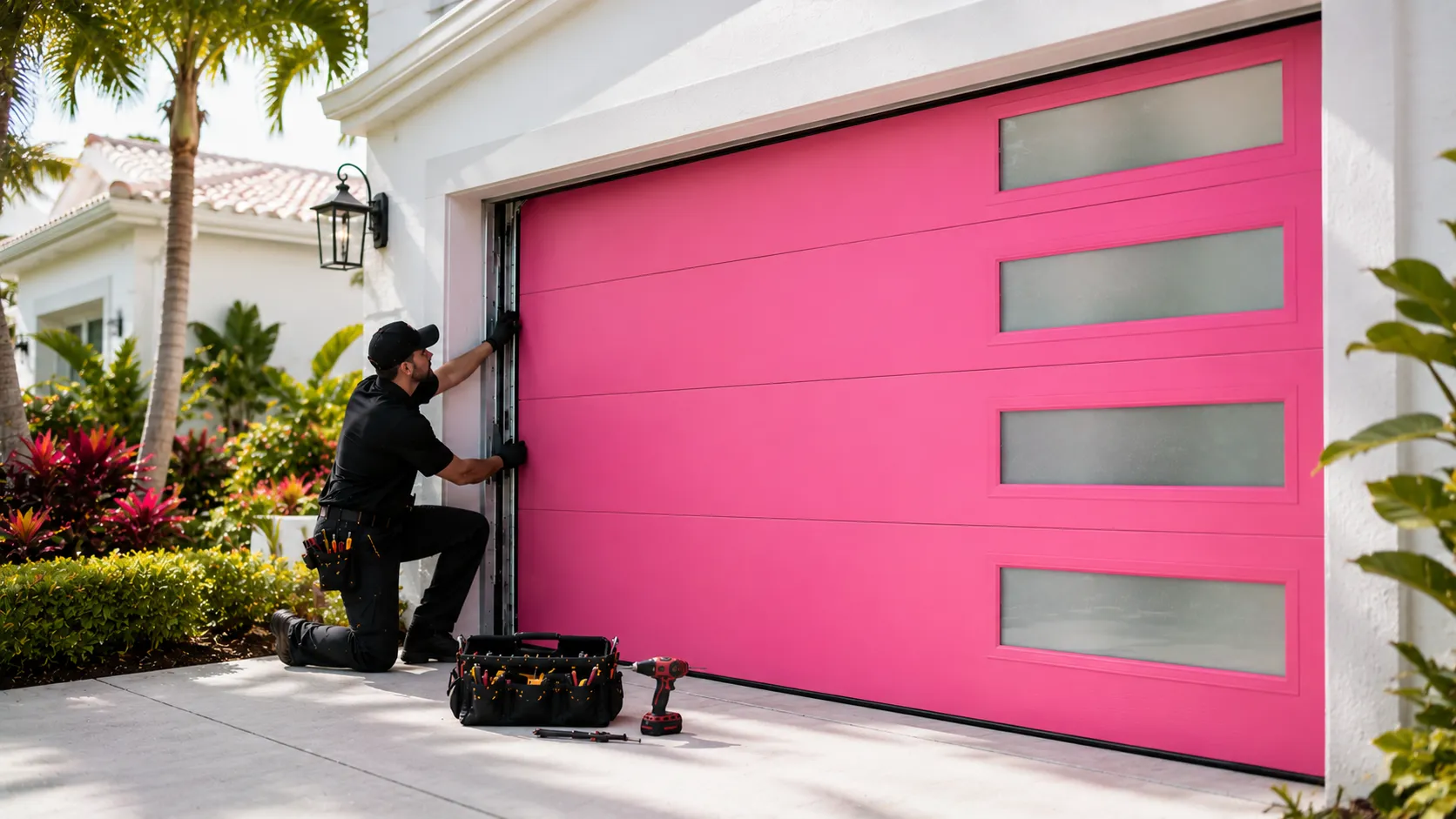
For a 2000s-built door, the truck carries the parts that actually fail on hardware from that era, plus one honest note about higher-end models that don't take stock parts.
The truck carries nylon and steel rollers in standard sizes, replacement bottom brackets, lift cable, and the track sections that bend when a door comes off its rail hard enough to warp the metal.
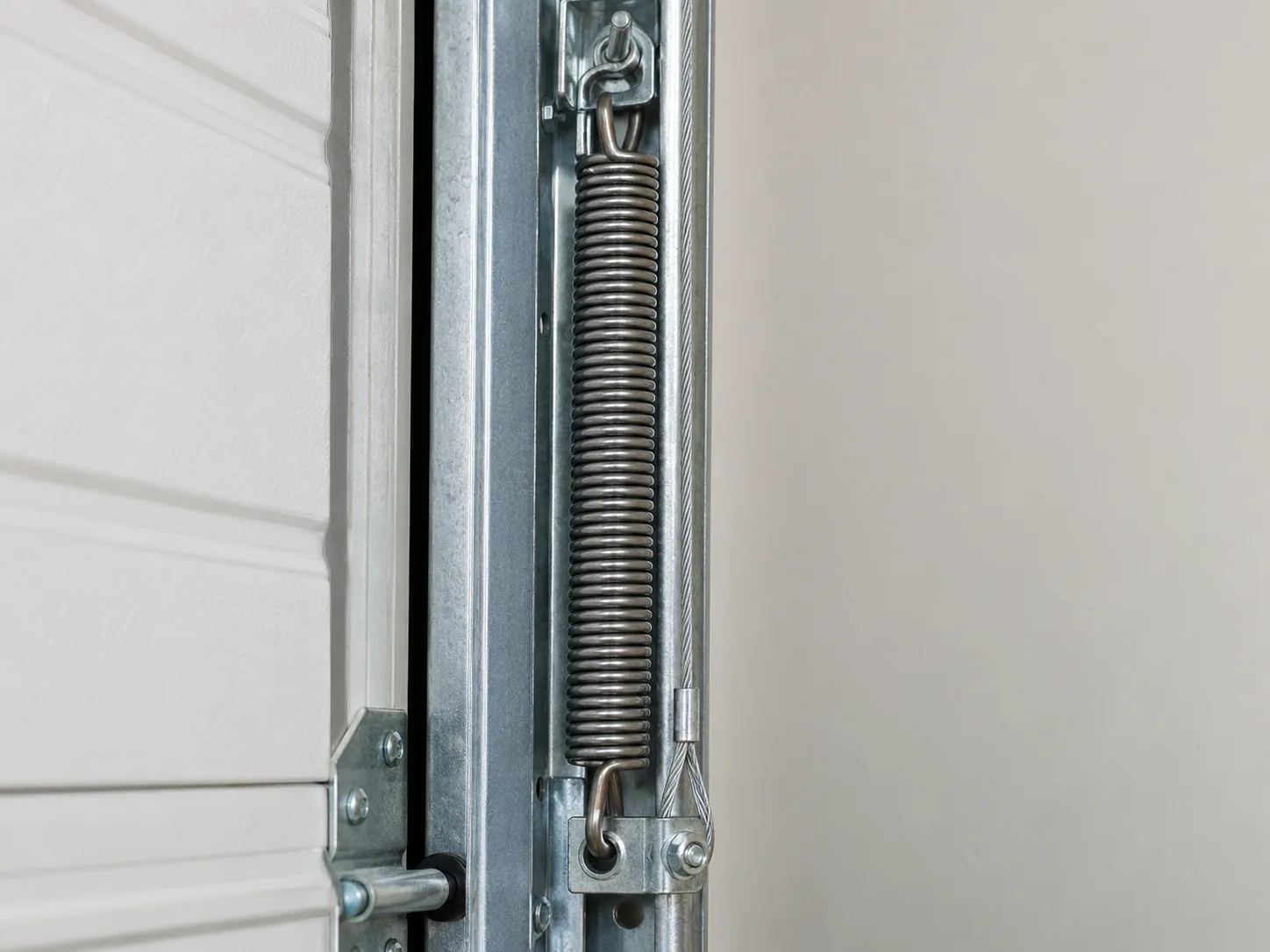
Torsion springs sized for a standard double or single door come with us too, since a spring that's flexed for close to two decades is often the reason the door's balance went off before it ever left the track.
What we don't carry is a match for every custom or oversized door on the truck at all times - if a home has a nonstandard door width or a specialty panel, that part may need to be ordered rather than fitted same-visit.
Harrisburg's income level runs well above the wider service area's median, and we see that reflected sometimes in higher-end door models with hardware that isn't the stock stuff, worth knowing before you assume any repair is a same-day fix.
Watch-outs
The complication we run into most in Harrisburg isn't the door - it's what's behind it, from an out-of-calibration opener to cold-weather stiffening.
A door built in 2006 was set up for an opener from that era, and if the opener's never been swapped, its force settings are often years out of calibration.
An off-track door that gets reset without checking the opener's force and limit settings can slam back down off-track again the first time it's run, because the opener is still fighting against a door that's now sitting slightly differently in the track.
This area sits in a moderate cold climate band, and on the coldest mornings a torsion spring already tired from two decades of cycles loses tension faster and can throw a door off-balance right when it's under the most strain - usually the spring's age catching up with it, not bad luck.
Questions
In houses built around 2006, like most of Harrisburg, the rollers and cables are usually original. After close to two decades of daily cycles, nylon rollers wear down and start binding sideways in the track instead of rolling straight, which pulls the door off its rail with no collision involved.
No - we run out of Charlotte, about 12 miles from Harrisburg. We carry the standard parts for 2000s-era doors on every truck, so most off-track repairs get handled in one visit; a nonstandard or specialty door may need an ordered part.
Only if we find why it came off in the first place. If a roller failed, we replace the set, not just the one that broke. If it's a bent rail or a miscalibrated opener force setting, those get corrected too - otherwise the door tends to jump track again within weeks.
Explore more
Ready when you are
Charlotte Garage Door Pros repairs and installs garage doors, springs and openers in Charlotte, NC and the surrounding area.